

Breathing and Brain Health: The Surprising Link Between Nasal Breathing and Cognitive Function
By Dr. David Alfi, DDS, MD, FACS • Oral and Maxillofacial Surgeon
Estimated read time: 7 minutes
Quick Answer: Nasal breathing supports optimal oxygen delivery to the brain, stabilizes nervous system activity, and improves attention, memory, and mood [1]. In contrast, mouth breathing can reduce oxygen efficiency and increase stress hormones that impair cognition [2].
How does breathing affect brain function?
Every breath influences cerebral blood flow and the balance of oxygen (O₂) and carbon dioxide (CO₂). Proper nasal breathing maintains healthy CO₂ levels, which in turn regulate oxygen delivery to neurons through the Bohr effect [3].
Why is nasal breathing superior to mouth breathing for the brain?
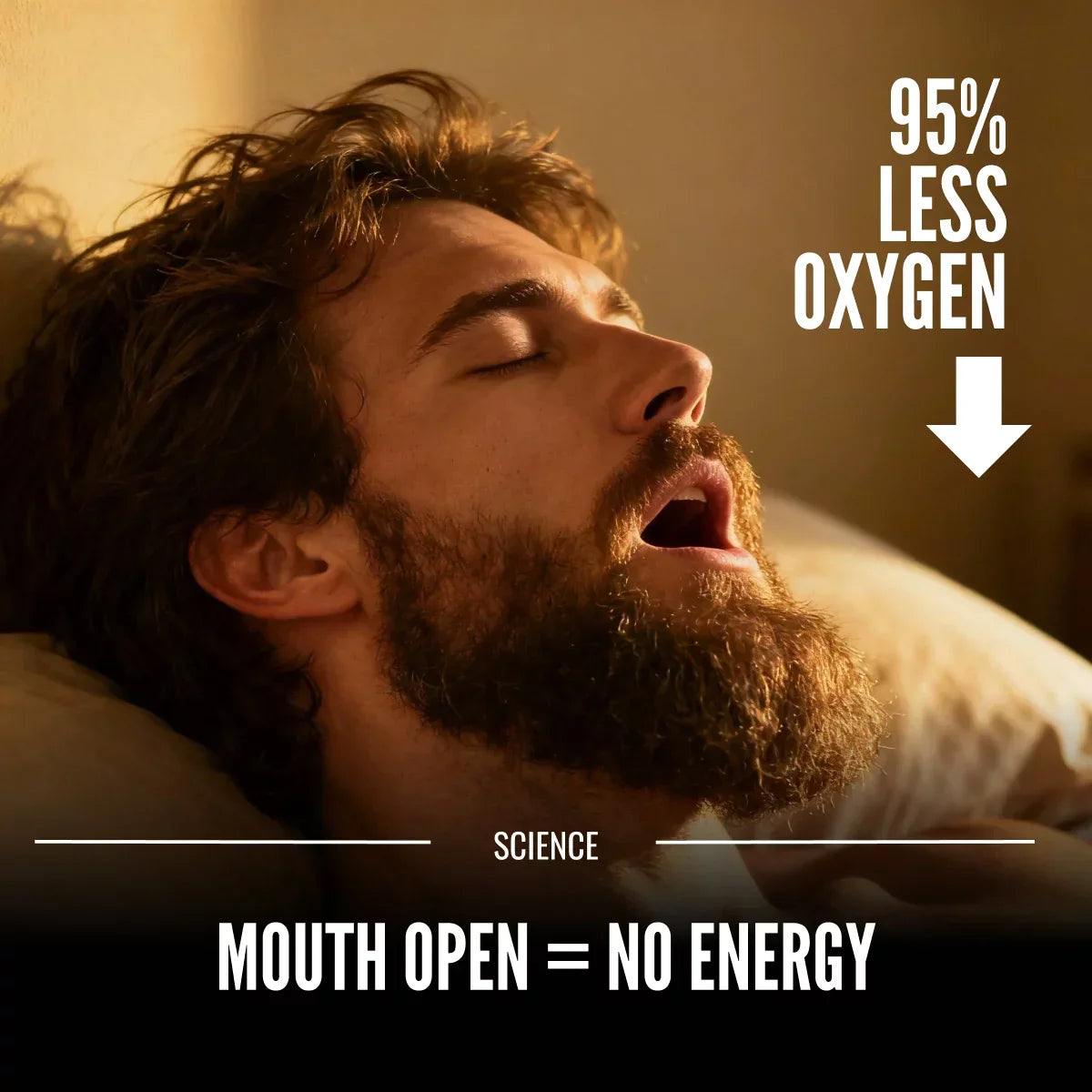
Nasal breathing filters and warms air while releasing nitric oxide, a gas that enhances oxygen uptake and increases blood flow to the prefrontal cortex — the area responsible for focus and decision-making [4]. Mouth breathing bypasses this mechanism, lowering oxygen efficiency and potentially impairing attention and reaction time [5].
| Breathing Mode | Brain Oxygenation | Stress Response | Cognitive Impact |
|---|---|---|---|
| Nasal Breathing | Stable & efficient | Lower cortisol [6] | Improved memory and focus |
| Mouth Breathing | Variable, less efficient | Higher cortisol | Reduced alertness and recall |
Can breathing patterns change brainwaves?
Yes. Slow nasal breathing synchronizes activity in brain regions that govern emotion and memory, such as the hippocampus and amygdala [7]. This is why techniques like meditation and rhythmic breathing can enhance calm focus and cognitive flexibility.
How does poor breathing relate to brain fog?
Hyperventilation from chronic mouth breathing reduces CO₂ too quickly, leading to cerebral vasoconstriction — narrowing of brain blood vessels — and the classic “foggy” or light-headed feeling [3]. Restoring nasal breathing helps reverse this imbalance and stabilize mental clarity.
Can mouth taping support cognitive health?
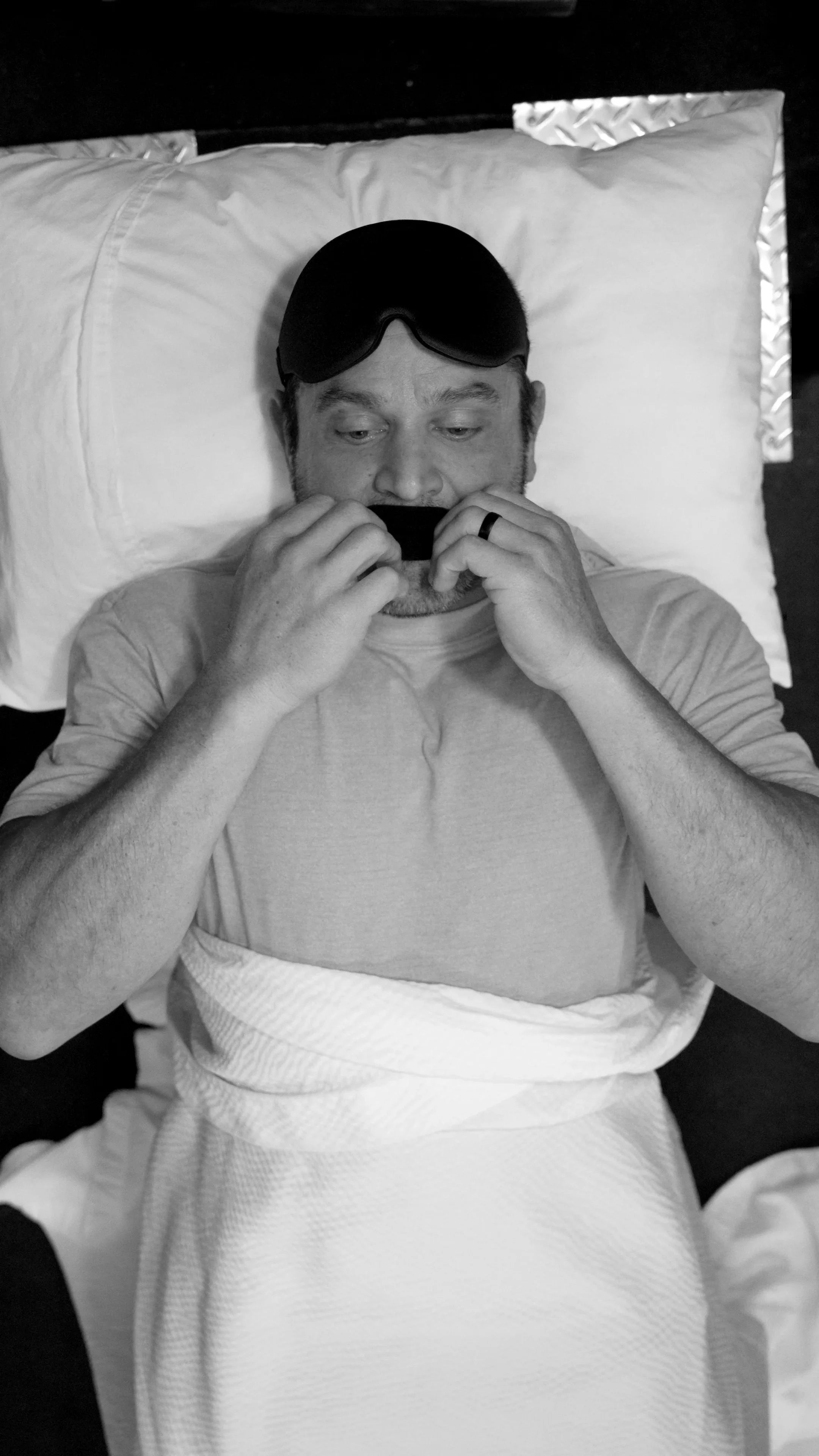
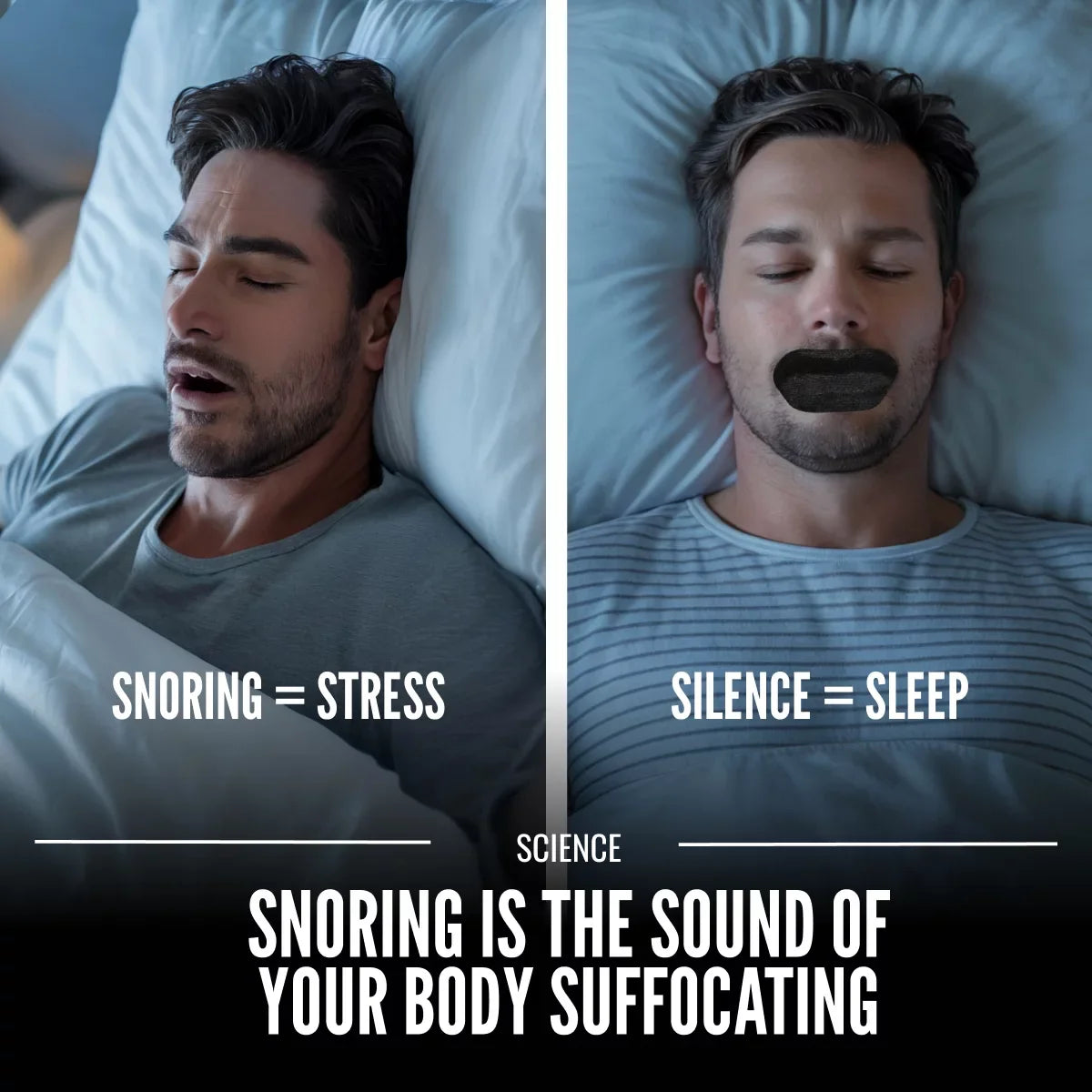
Possibly. Gentle Hostage Tape can help train consistent nasal breathing during sleep, promoting deeper rest and better overnight oxygenation — essential for memory consolidation and brain repair [8].
Gentle, skin-safe, and designed to support nasal breathing for body and mind.
Related Links
References
- Yackle K, et al. Breathing control center neurons modulate arousal and attention. Science. 2017;355(6332):1411–1415. PubMed 28360326
- Noble PB, et al. Mouth vs nasal breathing and its physiological impact. Respir Physiol Neurobiol. 2017;243:39–46. PubMed 28342988
- Woorons X, et al. Carbon dioxide regulation and cerebral blood flow. Eur J Appl Physiol. 2007;99(6):691–699. PubMed 17187236
- Lundberg JO, Weitzberg E. Nitric oxide in exhaled air: sources and cognitive implications. Eur Respir J. 1996;9(12):2671–2675. PubMed 8726939
- Li W, et al. Effects of hypoxia and hyperventilation on cognitive performance. J Appl Physiol. 2016;120(12):1481–1490. PubMed 27076652
- Streeter CC, et al. Effects of slow breathing on stress, cortisol, and brain function. J Altern Complement Med. 2012;18(9):861–870. PubMed 22994920
- Zelano C, et al. Nasal respiration entrains human limbic oscillations and modulates cognitive function. J Neurosci. 2016;36(49):12448–12467. PubMed 27927961
- Walker MP. The role of sleep in memory consolidation. Science. 2005;307(5713):1052–1055. PubMed 15718463
Disclosure
Dr. Alfi serves as a clinical advisor to Hostage Tape and provides guidance on airway and sleep-related health education. He does not receive commissions for product sales; his involvement focuses on promoting safe, evidence-based use.
Medical Disclaimer
The information in this article is for educational purposes only and does not constitute medical or dental advice. It should not replace professional evaluation or treatment by a qualified clinician. Mouth taping is not intended to diagnose or treat neurological or respiratory disorders.
Dr. David Alfi is licensed in Texas as a dentist and physician (DDS, MD). Statements reflect his professional opinion and experience, not individualized treatment recommendations.
Source Transparency
All evidence is drawn from peer-reviewed neuroscience and respiratory physiology literature (see References). No clinical trials have evaluated Hostage Tape for cognitive or neurological outcomes.

Share:
Nasal Breathing vs. Mouth Breathing: The Great Debate
Sleep Science #1: How Nasal Breathing Affects Your Sleep Cycles