


Mouth Taping: What It Is and Why You Need to Try It
By Dr. David Alfi, DDS, MD, FACS • Oral and Maxillofacial Surgeon
Estimated read time: 6 minutes
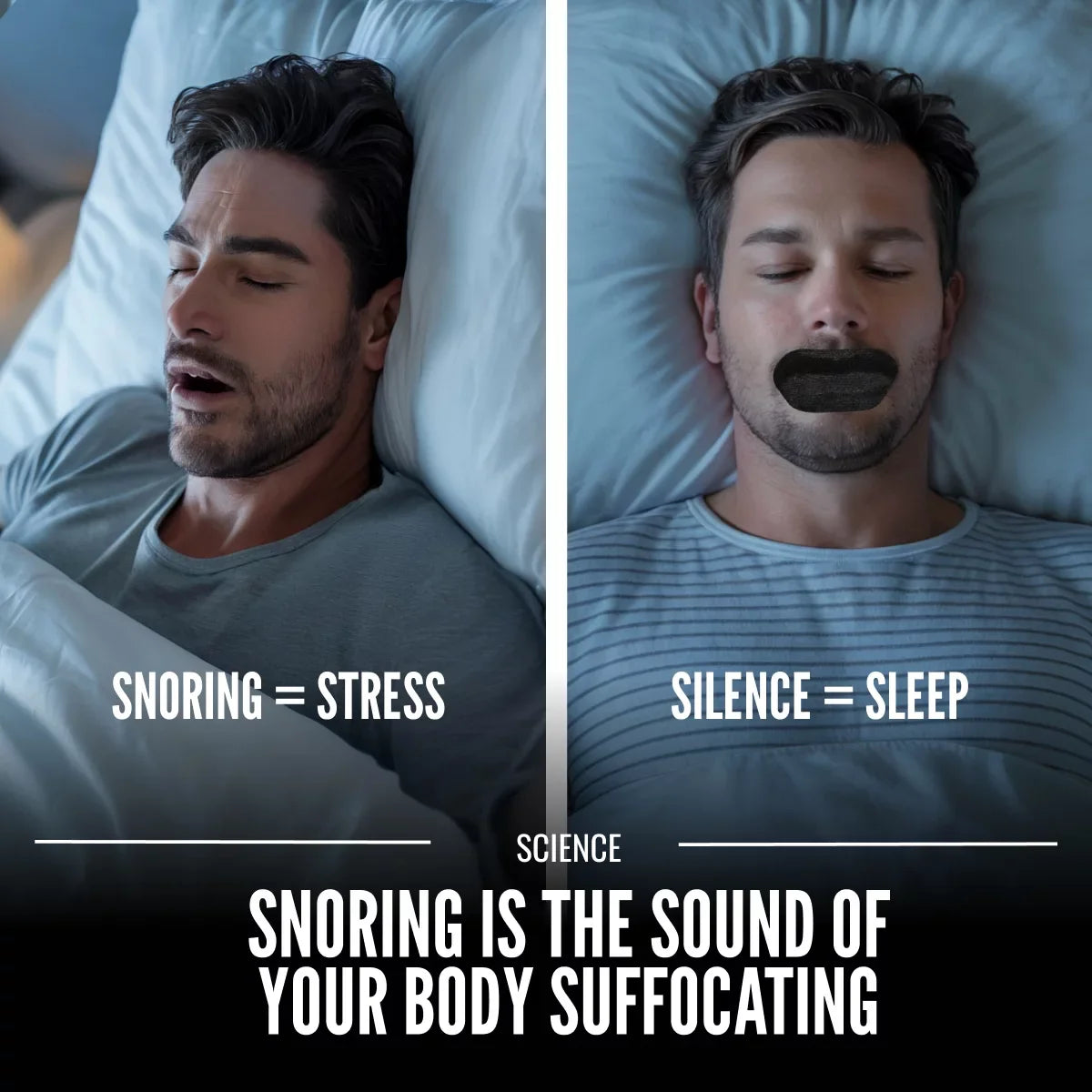
Quick Answer: Mouth taping is the practice of gently sealing your lips with a skin-safe tape while you sleep to encourage nasal breathing. By keeping your mouth closed, you support better oxygen exchange, reduce snoring, and wake up more refreshed [1].
What exactly is mouth taping?
Mouth taping uses a gentle adhesive strip — like Hostage Tape — to keep the lips closed during sleep. It does not seal the airway completely or block breathing; it simply promotes nasal dominance, the way humans are designed to breathe [2].
Why does nasal breathing matter?
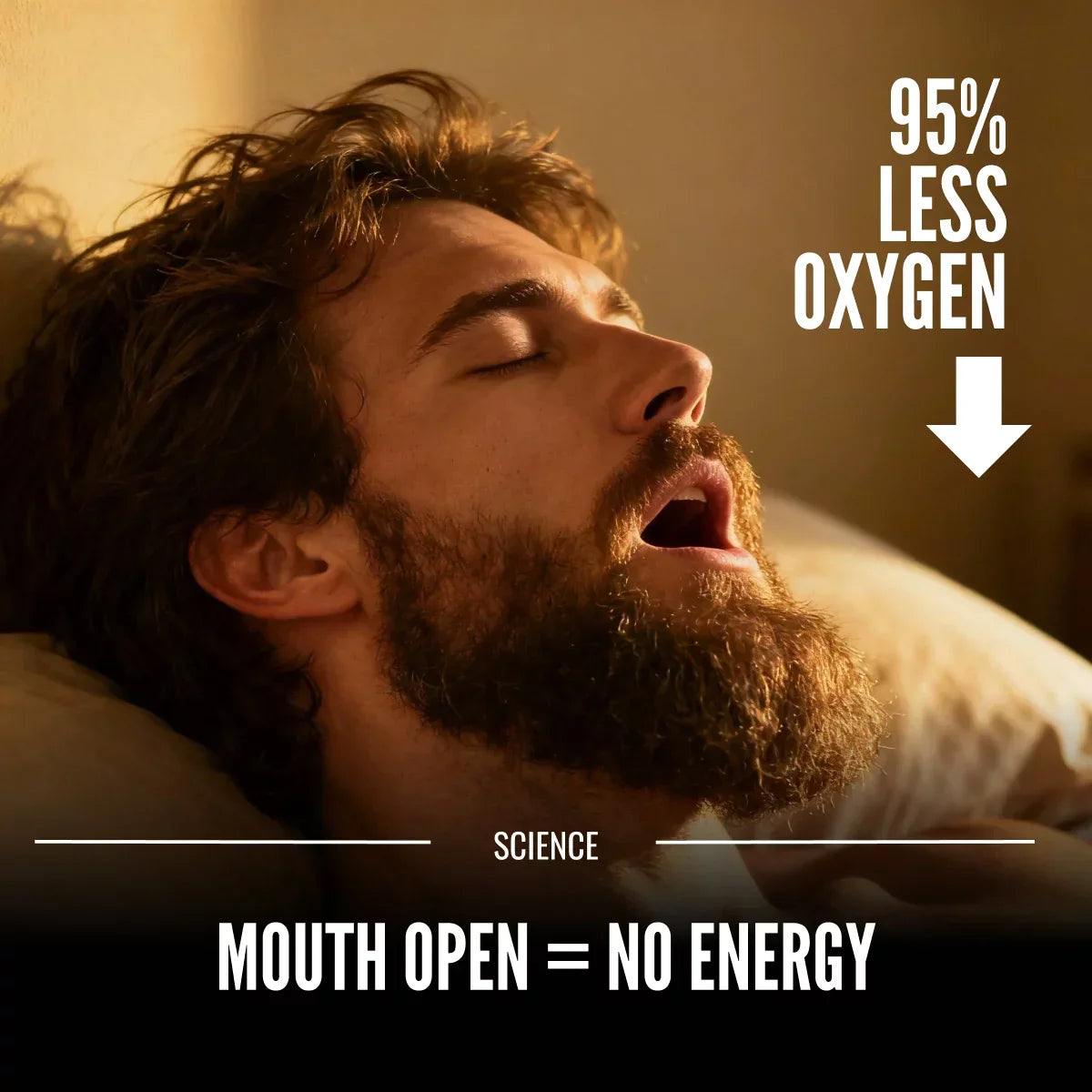
The nose filters, warms, and humidifies air before it reaches the lungs. It also produces nitric oxide (NO), which increases oxygen uptake and supports circulation [3]. Mouth breathing bypasses these functions, leading to dryness, snoring, and fragmented sleep.
What are the benefits of mouth taping?
- Reduces snoring and mouth dryness [4]
- Improves sleep depth and oxygen efficiency [5]
- Supports jaw and tongue posture for a healthier airway
- Promotes calmer nervous-system activity and lower heart rate [6]
Is mouth taping safe for everyone?
Most healthy adults can use mouth tape safely, but people with nasal obstruction, sleep apnea, or respiratory illness should consult a physician first. You should always be able to breathe comfortably through your nose before trying it [7].
How do you start mouth taping the right way?
- Test nasal breathing during the day first.
- Use a dedicated skin-safe tape like Hostage Tape, not household tape.
- Apply vertically or horizontally with a small air gap if you’re new to it.
- Stop immediately if you feel anxious or blocked.
Designed for comfort and safety — made to help you breathe right every night.
Related Links
References
- Courtney R. The functions of breathing and its dysfunction. Breathe. 2016;12(3):213-220. PubMed 27683615
- Eccles R. Nasal airflow and air conditioning. Breathe. 2003;9(5):353-360. PubMed 14621159
- Lundberg JO & Weitzberg E. Nitric oxide in exhaled air. Eur Respir J. 1996;9(12):2671-2675. PubMed 8726939
- Sakakibara H et al. Influence of mouth breathing on snoring and sleep-disordered breathing. Chest. 2003;123(2):452-458. PubMed 12576379
- Bonnet MH et al. Physiologic and arousal effects of breathing patterns on sleep quality. Sleep. 2017;40(2):zsx010. PubMed 28364473
- Jerath R et al. Physiology of slow breathing and parasympathetic activation. Med Hypotheses. 2006;67(3):566-571. PubMed 16460892
- de Silva D et al. Nocturnal asthma and sleep-disordered breathing. Clin Chest Med. 2014;35(3):569-581. PubMed 25156775
Disclosure
Dr. Alfi serves as a clinical advisor to Hostage Tape and provides guidance on airway and sleep-health education. He does not receive commissions for product sales; his role focuses on safe, evidence-based use.
Medical Disclaimer
The information in this article is for educational purposes only and does not constitute medical or dental advice. It should not replace individualized care from a qualified clinician. Mouth taping is not a treatment for sleep apnea or respiratory disease.
Source Transparency
All data are drawn from peer-reviewed sleep and respiratory physiology research (see References). No clinical trials have evaluated Hostage Tape as a medical device.

Share:
Are You a Mouth Breather? Top Signs to Watch For and How to Fix It
Does mouth tape actually stop snoring?