


The Immune System Boost: How Nasal Breathing Helps Protect Your Body
By Dr. David Alfi, DDS, MD, FACS • Oral and Maxillofacial Surgeon
Estimated read time: 6 minutes
Quick Answer: Nasal breathing strengthens your body’s natural defenses by filtering pathogens, humidifying air, and producing nitric oxide — a gas that helps kill bacteria and viruses. Mouth breathing bypasses these protections, making you more vulnerable to irritation and infection [1].
How does your nose defend your body?
Your nose isn’t just for smelling — it’s a frontline immune organ. Each breath through your nose passes through tiny hairs and mucus membranes that trap dust, allergens, and microbes before they reach your lungs [2].
What role does nitric oxide play?
When you breathe through your nose, your sinuses release nitric oxide (NO) — a powerful molecule with antiviral, antibacterial, and anti-inflammatory properties. Studies show that nasal NO helps neutralize airborne pathogens and improve oxygen exchange [3].
| Breathing Type | Filtration Efficiency | Nitric Oxide (NO) Production | Immune Support |
|---|---|---|---|
| Nasal Breathing | High — traps 98% of particles ≥5µm [4] | Strong — steady NO release | Optimal — supports immune balance |
| Mouth Breathing | Low — bypasses nasal filters | Minimal — reduced NO activity | Weaker — higher risk of dryness & irritation |
Why mouth breathing weakens immunity
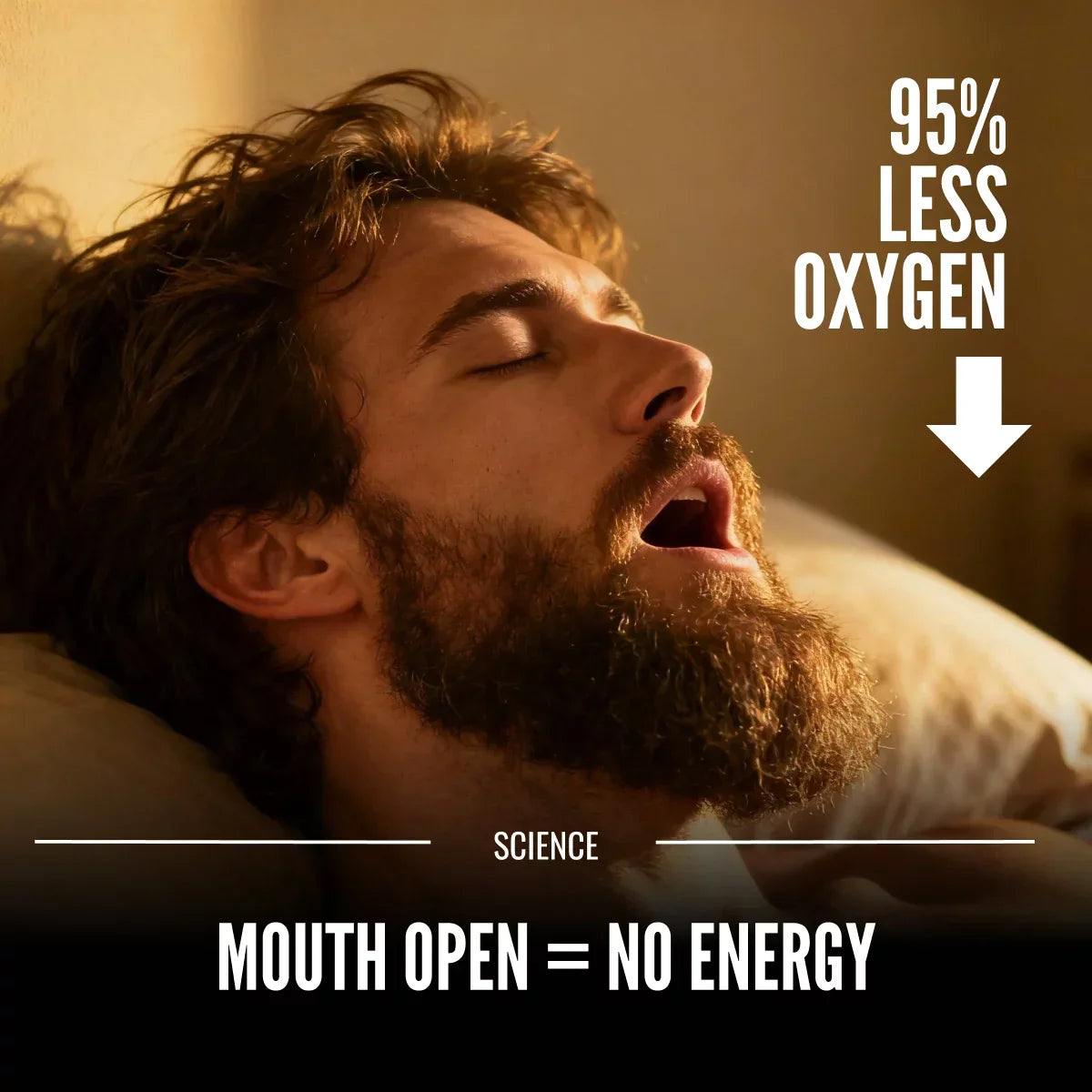
Mouth breathing dries out the throat and oral cavity, disrupting saliva’s antibacterial role and exposing tissues to pathogens. Chronic mouth breathers also experience higher inflammation markers and poorer sleep quality — both of which impair immune function [5].
How mouth taping supports immune health
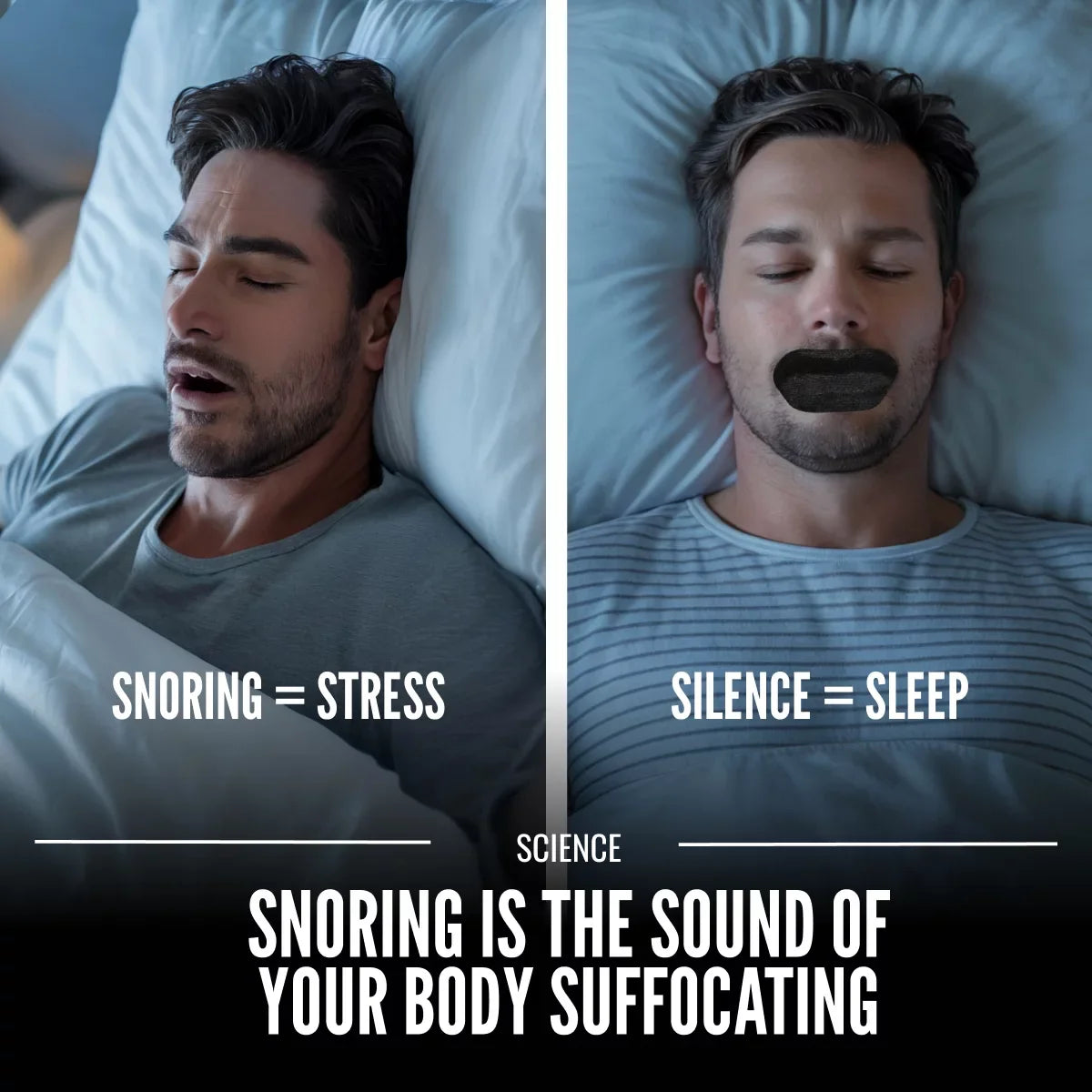
Using Hostage Tape gently trains your body to stay in the nasal-breathing zone during sleep, when immunity repair peaks. By keeping your airway moist and active, you maintain nitric oxide flow and protect mucosal defenses — the body’s first barrier against infection [6].
Support your immune system naturally — breathe through your nose tonight.
Related Links
References
- Courtney R. The functions of breathing and its dysfunction. Breathe. 2016;12(3):213–220. PubMed 27683615
- Eccles R. Nasal airway physiology and the nasal cycle. Acta Otolaryngol. 2000;120(5):580–584. PubMed 10958384
- Lundberg JO & Weitzberg E. Nitric oxide in exhaled air: sources and effects. Eur Respir J. 1996;9(12):2671–2675. PubMed 8726939
- Laine-Alava MT et al. Nasal airflow and particle filtration. Clin Physiol Funct Imaging. 2006;26(5):258–263. PubMed 16958874
- Spicuzza L et al. Mouth breathing, inflammation, and airway immunity. Chest. 2009;136(5):1428–1435. PubMed 19892696
- Bonnet MH et al. Breathing patterns and sleep quality. Sleep. 2017;40(2):zsx010. PubMed 28364473
Disclosure
Dr. Alfi serves as a clinical advisor to Hostage Tape and provides guidance on airway and sleep health. He does not receive commissions for product sales; his focus is safe, evidence-based education.
Medical Disclaimer
The information in this article is for educational purposes only and does not constitute medical advice. It should not replace individualized evaluation by a licensed clinician. Mouth taping may help support nasal breathing but is not a treatment for immune or respiratory diseases.
Source Transparency
All data are drawn from peer-reviewed ENT, respiratory physiology, and immunology journals (see References). Hostage Tape has not been evaluated as an immune therapy.

Share:
Sleep Science #1: How Nasal Breathing Affects Your Sleep Cycles
The Athlete's Secret: How Nasal Breathing Can Improve Your Performance