


Breathe Right, Sleep Tight: How Nasal Breathing Unlocks Deep, Restorative Sleep
By Dr. David Alfi, DDS, MD, FACS • Oral and Maxillofacial Surgeon
Estimated read time: 6 minutes
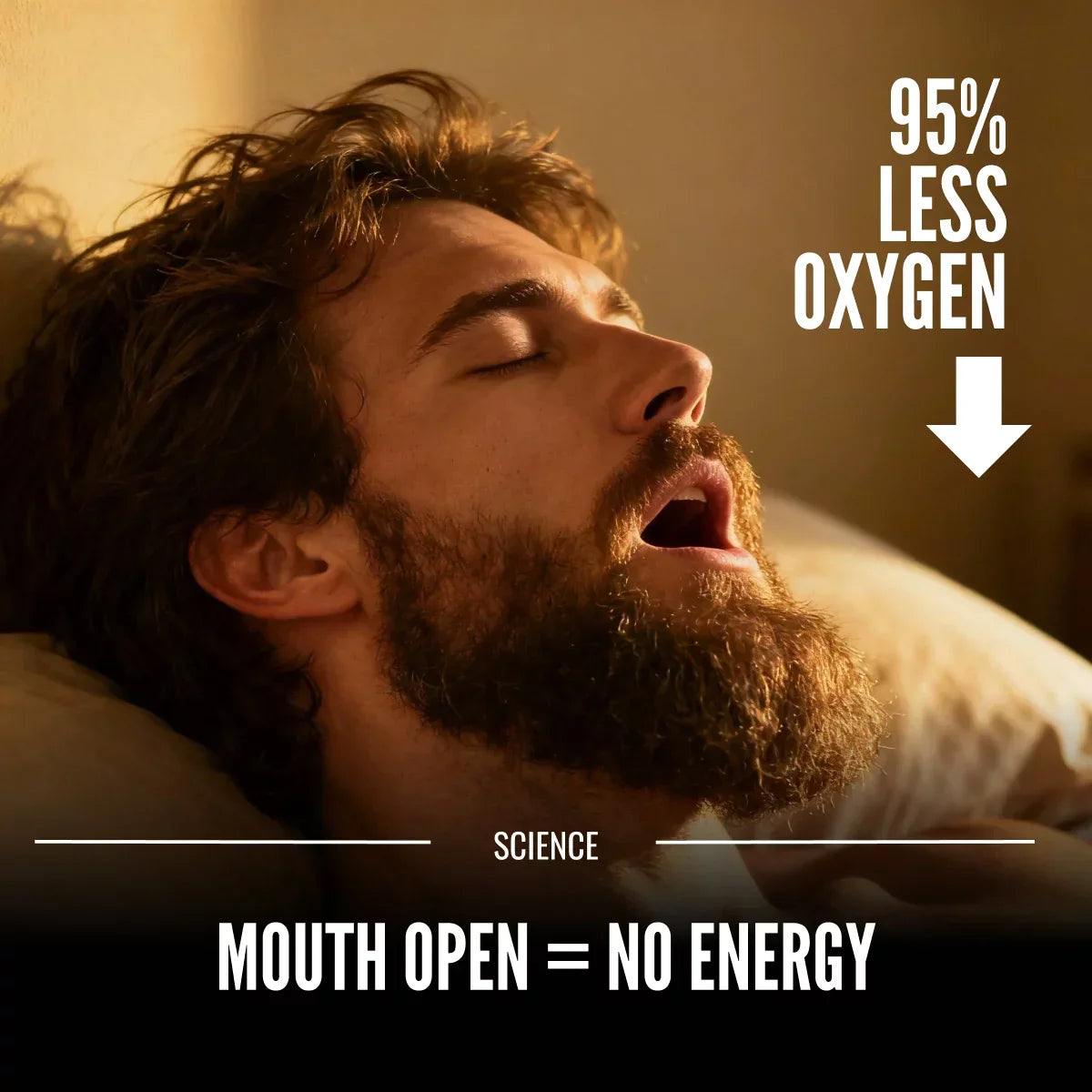
Quick Answer: Nasal breathing supports the body’s natural sleep architecture. It stabilizes oxygen and CO₂ levels, lowers heart rate, and activates the parasympathetic nervous system—essential for deep rest and recovery [1]. Mouth breathing, on the other hand, dries the airway, disrupts REM cycles, and increases snoring [2].
Why is nasal breathing so important for sleep?
The nose acts as a natural air filter and humidifier. When you breathe through it, air reaches the lungs at the right temperature and humidity, supporting oxygen exchange and preventing airway irritation [3].
How does nasal breathing affect sleep stages?
Nasal breathing reduces sympathetic activity (the “fight or flight” response) and enhances slow-wave and REM sleep duration [4]. That means fewer wakeups and better recovery of the brain and body.
| Breathing Type | Sleep Quality | Snoring Risk | Oxygen Efficiency |
|---|---|---|---|
| Nasal Breathing | Deep and restorative | Lower | Higher [5] |
| Mouth Breathing | Fragmented sleep | Higher [2] | Reduced |
What role does nitric oxide play in sleep quality?
When you breathe through your nose, you release nitric oxide (NO), a gas that dilates blood vessels and enhances oxygen delivery throughout the body [6]. This improves circulation and helps maintain steady brain oxygen levels during REM sleep.
Can mouth taping help train better sleep breathing?
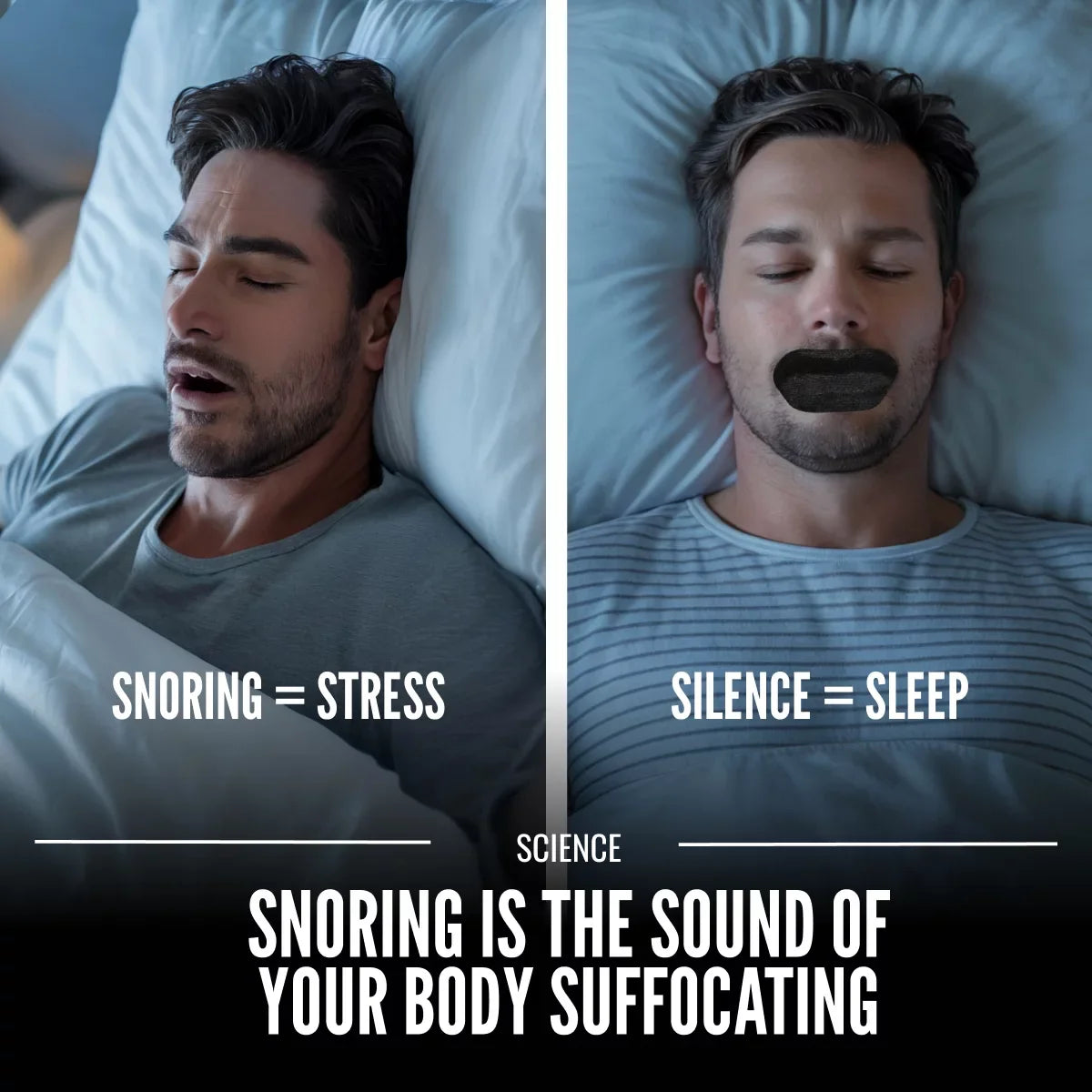
Yes — gently. Using a skin-safe tape like Hostage Tape may help your body re-establish nasal breathing patterns during sleep so you wake up more rested and less dry-mouthed [7].
Who should avoid mouth taping?
People with untreated sleep apnea, nasal blockage, or recent illness should avoid mouth taping until cleared by a healthcare provider.
Designed for comfort, safety, and deep sleep through nasal breathing.
Related Links
References
- Jerath R et al. Physiology of slow breathing and parasympathetic activation. Med Hypotheses. 2006;67(3):566-571. PubMed 16460892
- Sakakibara H et al. Influence of mouth breathing on snoring and sleep-disordered breathing. Chest. 2003;123(2):452-458. PubMed 12576379
- Eccles R. Nasal airflow and air conditioning. Breathe. 2003;9(5):353-360. PubMed 14621159
- Bonnet MH et al. Physiologic and arousal effects of breathing patterns on sleep quality. Sleep. 2017;40(2):zsx010. PubMed 28364473
- Lundberg JO & Weitzberg E. Nitric oxide in exhaled air: sources and effects. Eur Respir J. 1996;9(12):2671-2675. PubMed 8726939
- Walker MP. The role of sleep in memory consolidation. Science. 2005;307(5713):1052-1055. PubMed 15718463
- Courtney R. The functions of breathing and its dysfunction. Breathe. 2016;12(3):213-220. PubMed 27683615
Disclosure
Dr. Alfi serves as a clinical advisor to Hostage Tape and provides guidance on airway and sleep-health education. He does not receive commissions for product sales; his role focuses on safe, evidence-based use.
Medical Disclaimer
The information in this article is for educational purposes only and does not constitute medical or dental advice. It should not replace individualized care from a qualified clinician. Mouth taping may support nasal breathing and sleep quality but is not a medical treatment for sleep disorders.
Source Transparency
Data and findings are drawn from peer-reviewed sleep and respiratory physiology research (see References). No clinical trials have evaluated Hostage Tape as a therapeutic device.

Share:
Nasal vs. Mouth Breathing While Running: The Secret to Faster, Stronger Strides
Mouth Breathing and the Brain: How You Might Be Starving Your Mind Every Night