


Understanding Dry Mouth at Night: Causes and Effects
Dry mouth at night is a common experience that can affect sleep quality and oral comfort. It occurs when saliva production decreases, leading to a sensation of dryness in the mouth during sleep. This condition can be influenced by various factors, including sleeping habits, breathing patterns, and oral health. Saliva plays an essential role in maintaining oral hygiene by helping to neutralize acids, wash away food particles, and protect against bacteria. When saliva flow diminishes during the night, the mouth may feel dry, sticky, or uncomfortable. Understanding the causes behind dry mouth at night can help identify ways to improve nighttime comfort and oral health.Common Causes of Dry Mouth at Night
Several factors contribute to dry mouth at night, and often more than one factor may be involved. Some of the most common causes include:- Mouth Breathing: Breathing through the mouth instead of the nose during sleep can cause the oral tissues to dry out. The airflow directly over the tongue and inside the mouth leads to moisture evaporation.
- Medications: Certain medications, such as antihistamines, decongestants, and some antidepressants, may reduce saliva production as a side effect.
- Dehydration: Not drinking enough fluids during the day may reduce overall saliva levels at night.
- Environmental Factors: Dry or heated bedroom air can contribute to moisture loss in the mouth.
- Age: Saliva production naturally declines with age, which can increase the likelihood of dry mouth at night.
- Jaw and Dental Issues: Tension in the jaw, temporomandibular joint (TMJ) problems, or dental conditions may influence breathing patterns and oral moisture.
Effects of Dry Mouth at Night on Oral Health and Comfort
While dry mouth at night is often a temporary discomfort, it can have certain effects that impact both oral health and overall well-being:- Disrupted Sleep: The discomfort of dryness may cause frequent waking or restless sleep.
- Bad Breath: Reduced saliva flow can allow bacteria to accumulate, leading to unpleasant odors.
- Increased Risk of Dental Issues: Saliva helps protect teeth and gums. When saliva is low, the risk of cavities, gum irritation, and other dental issues may increase.
- Mouth Sores or Irritation: Dry tissues can become more sensitive or prone to minor injuries.
What Nasal Breathers Do Differently at Night
Nasal breathing during sleep can significantly influence the occurrence of dry mouth at night. People who breathe primarily through their noses tend to experience less oral dryness and related discomfort. Here’s what nasal breathers do differently:- Maintain Moisture: Breathing through the nose helps preserve moisture in the mouth because the airflow does not pass directly over the oral tissues.
- Filter and Warm Air: The nasal passages filter, humidify, and warm the air before it reaches the lungs, which supports comfortable breathing and reduces dryness.
- Promote Jaw and Dental Health: Nasal breathing encourages proper tongue placement and jaw alignment, which may reduce tension in the jaw muscles and TMJ.
How Hostage Tape Supports Nasal Breathing Comfort
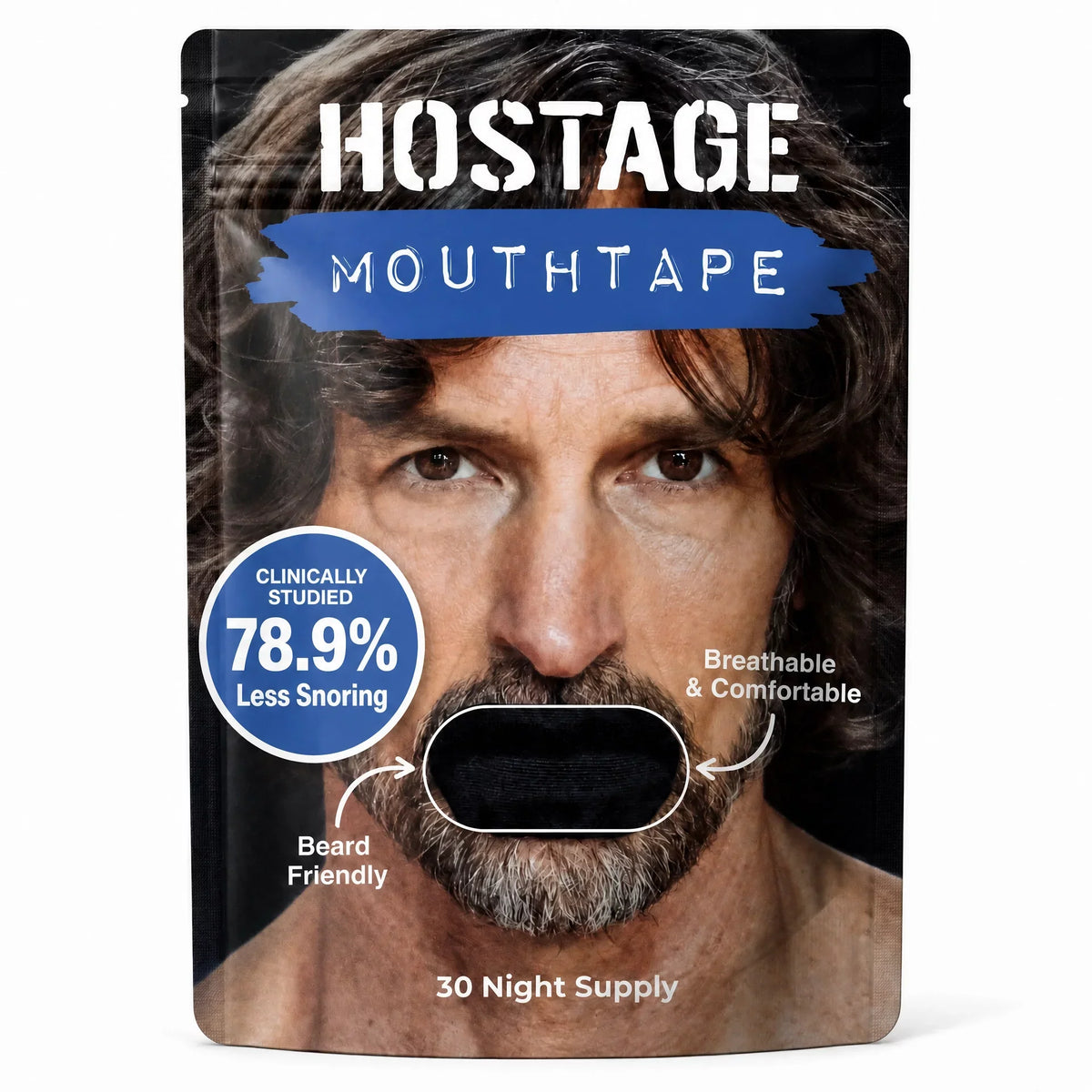
Hostage Tape is a gentle mouth tape designed to encourage nasal breathing during sleep by comfortably keeping the lips closed. This simple tool can help reduce dry mouth at night by minimizing mouth breathing and maintaining moisture levels. Using Hostage Tape is convenient and affordable, with a price point of approximately $.57 per night, making it an accessible addition to a nightly routine. The tape is designed for comfort and ease of use, providing a secure yet gentle seal that supports natural breathing through the nose. For those interested in learning more about breathing techniques and the benefits of nasal breathing, the educational resources available at Hostage.co offer valuable insights.Additional Tips to Manage Dry Mouth at Night
In addition to encouraging nasal breathing, here are some other helpful strategies to reduce dry mouth at night:- Stay hydrated throughout the day by drinking plenty of water.
- Use a humidifier in the bedroom to add moisture to dry air.
- Avoid caffeine and alcohol close to bedtime, as they can contribute to dehydration.
- Maintain good oral hygiene, including brushing and flossing regularly.
- Consult with a dental professional if jaw tension or TMJ issues contribute to mouth breathing or discomfort.
Frequently Asked Questions
What causes dry mouth at night?
Dry mouth at night can be caused by mouth breathing, certain medications, dehydration, dry air, aging, and jaw or dental issues.How does nasal breathing reduce dry mouth?
Nasal breathing helps maintain moisture in the mouth by preventing airflow directly over oral tissues, filtering and humidifying the air, and supporting proper jaw alignment.Can mouth tape help with dry mouth at night?
Mouth tape, such as Hostage Tape, gently encourages nasal breathing during sleep, which may help reduce the occurrence of dry mouth at night by keeping the lips closed.Is Hostage Tape comfortable to use?
Yes, Hostage Tape is designed for comfort and ease of use, providing a gentle seal that supports natural nasal breathing without discomfort.Where can I learn more about nasal breathing?
Educational resources about nasal breathing and its benefits can be found at Hostage.co and on the Hostage Tape blog.Dry mouth at night is a common issue that can be managed by understanding its causes and adopting habits that promote nasal breathing. Hostage Tape provides an accessible way to support nasal breathing and reduce mouth dryness, contributing to a more comfortable night's sleep.
Share:
Does Mouth Tape Help Your Jawline? What the Research Actually Says
Is Mouth Tape Safe? Everything You Need to Know in 2026