


How Stress Affects Sleep and What You Can Do About It
Stress and sleep are closely connected, with stress often negatively impacting sleep quality. When stress levels rise, it becomes more difficult to fall asleep and stay asleep throughout the night. Understanding this connection can help you find effective ways to improve your rest and overall well-being.The Connection Between Stress and Sleep
Stress triggers a cascade of physiological responses in the body, including increased heart rate, heightened alertness, and the release of stress hormones like cortisol. These changes make it challenging for the body to enter a relaxed state conducive to sleep. As a result, stress can cause difficulty falling asleep, frequent awakenings, or lighter sleep stages, leading to feeling unrefreshed in the morning. Moreover, poor sleep can increase stress levels, creating a cycle that is hard to break. Recognizing how stress and sleep influence each other is the first step toward improving sleep quality.Five Practical Ways to Improve Sleep When Stressed
While stress can interfere with sleep, there are several strategies you can try to support better rest. These approaches focus on relaxation, breathing, and creating a comfortable sleep environment.1. Practice Relaxation Techniques Before Bed
Relaxation methods such as deep breathing, progressive muscle relaxation, or guided imagery can help calm the nervous system. Spending 10 to 15 minutes doing these exercises before bedtime may reduce tension and prepare your mind and body for sleep. For example, slow, deep breaths through the nose can activate the parasympathetic nervous system, promoting a feeling of calm. Resources like Hostage.co offer insights into breathing techniques that support relaxation and sleep.2. Maintain a Consistent Sleep Schedule
Going to bed and waking up at the same time every day helps regulate your body's internal clock. Consistency can improve sleep quality and make it easier to fall asleep even when stress levels fluctuate.3. Create a Comfortable Sleeping Environment
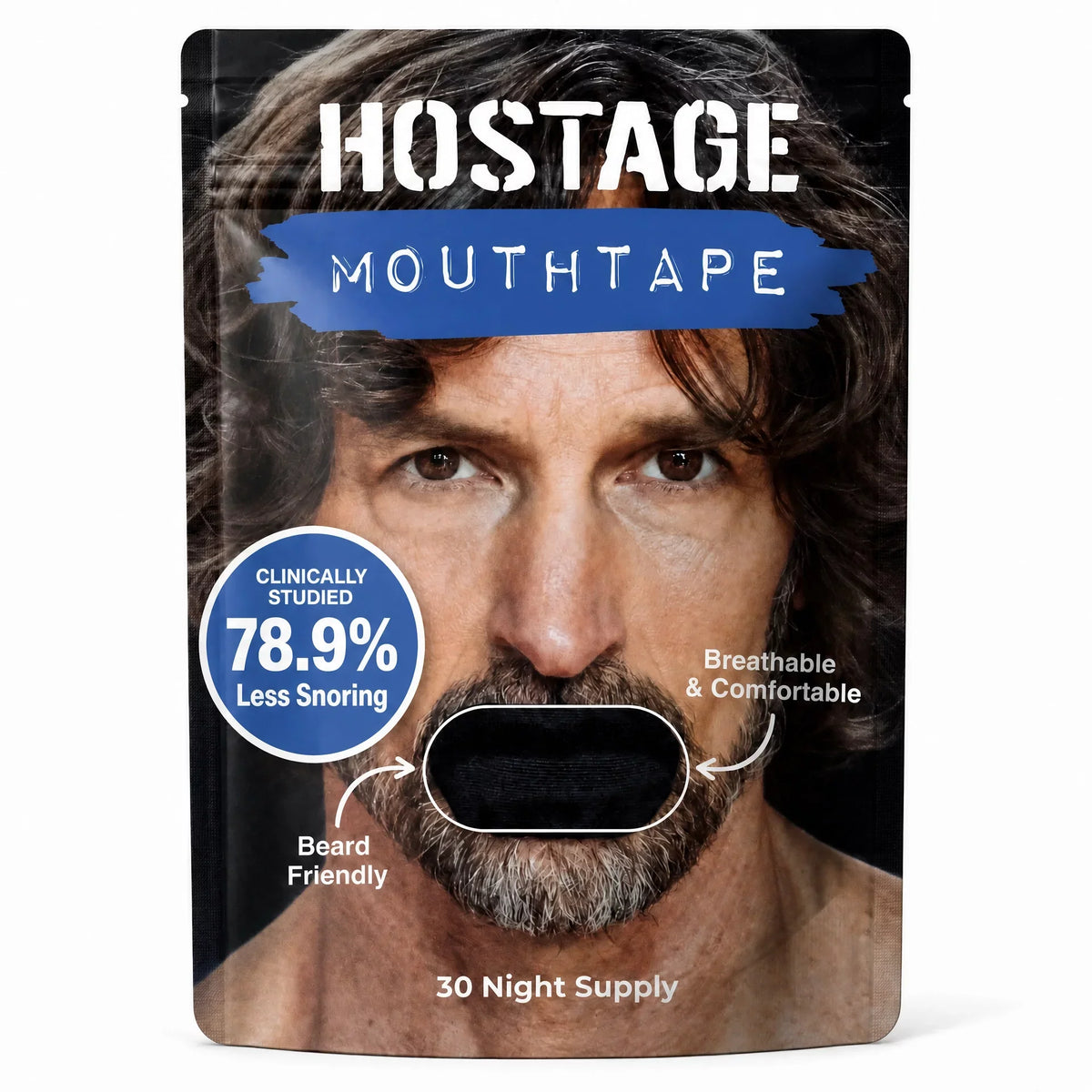
A cool, dark, and quiet bedroom supports restful sleep. Consider using blackout curtains, earplugs, or white noise machines if environmental factors disrupt your rest. Additionally, using products like Hostage Tape can encourage nasal breathing during sleep, which some find enhances comfort and relaxation. Hostage Tape is a gentle mouth tape designed for comfort and nasal breathing, available for approximately $.57 per night. It may complement other sleep hygiene practices by helping maintain appropriate breathing patterns.4. Limit Exposure to Screens and Bright Lights Before Bed
Blue light from phones, tablets, and computers can interfere with melatonin production, the hormone that regulates sleep-wake cycles. Reducing screen time at least an hour before bedtime can help your body prepare for sleep.5. Engage in Regular Physical Activity
Exercise during the day can reduce stress and improve sleep quality. However, intense workouts close to bedtime might have the opposite effect for some individuals, so aim to finish exercise a few hours before going to bed.Additional Tips and Resources
If you want to dive deeper into sleep hygiene and techniques to manage stress, check out the Hostage Tape blog. The blog covers various topics on sleep quality and breathing that can support your journey to better rest.Frequently Asked Questions
How does stress disrupt sleep?
Stress activates the body's alert system, making it harder to relax and fall asleep. Heightened stress hormone levels can also cause lighter sleep and frequent awakenings.Can mouth taping help with sleep during stressful times?
Mouth taping with products like Hostage Tape encourages nasal breathing, which some people find supports comfort and relaxation during sleep. While it does not address stress directly, it can be part of a calming bedtime routine.What breathing techniques can reduce stress before sleep?
Deep, slow nasal breathing, diaphragmatic breathing, and progressive muscle relaxation are effective techniques to promote calmness and prepare the body for sleep.Is it normal to have trouble sleeping when stressed?
Yes, experiencing difficulty sleeping during stressful periods is common. Implementing relaxation and sleep hygiene strategies can help manage this challenge.Where can I learn more about breathing and sleep improvement?
You can visit Hostage.co for educational resources on breathing and its role in sleep, as well as the Hostage Tape blog for practical sleep quality tips.Managing stress and sleep requires a holistic approach that includes relaxation, routine, environment, and breathing support. Incorporating gentle tools like Hostage Tape into your bedtime routine might offer added comfort on your path to restful nights.
Share:
Why You Wake Up Tired Even After 8 Hours of Sleep
Morning Routines That Start the Night Before