What Are the Downsides of Mouth Taping? An Honest Look
Mouth taping is a growing trend for those interested in promoting nasal breathing during sleep. While many people find comfort and improved breathing patterns with mouth tape, it is important to understand the potential downsides of mouth taping before incorporating it into your nightly routine. This article provides an honest look at what some of those downsides may be, helping you make an informed choice.
Understanding Mouth Taping and How It Works
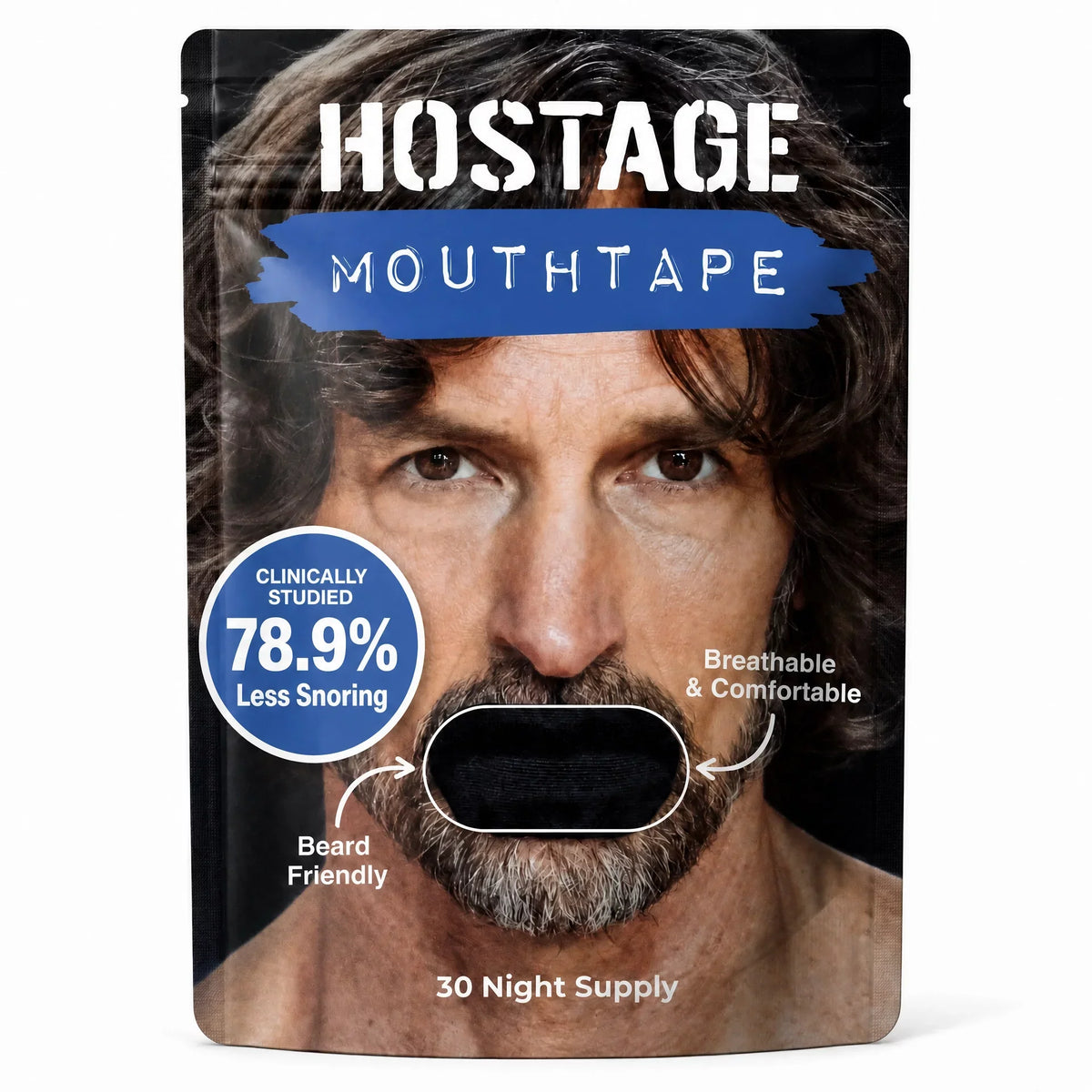
Mouth taping involves gently sealing the lips with a specialized tape designed to encourage nasal breathing during sleep. Many users, including those who use Hostage Tape, report feeling more comfortable breathing through their nose and waking up with less dryness in their mouth. However, despite these benefits, there are certain considerations and potential drawbacks to be aware of.
Possible Downsides of Mouth Taping
1. Initial Discomfort and Adjustment Period
One common downside of mouth taping is that it may feel uncomfortable at first. The sensation of having your mouth taped shut while you sleep can take some getting used to. Some individuals might experience mild anxiety or restlessness during the initial nights of use. It is important to start slowly and use gentle tape like Hostage Tape, which is designed specifically for comfort and safety.
2. Not Suitable for Everyone
Mouth taping is not recommended for individuals who have difficulty breathing through their nose due to congestion, nasal obstructions, or allergies. Forcing nasal breathing when the nasal passages are blocked can cause discomfort or interrupted sleep. It is always beneficial to consult with a healthcare professional if you have concerns about your breathing patterns before starting mouth taping.
3. Risk of Skin Irritation
Repeated use of adhesive tape on sensitive skin around the lips can sometimes cause irritation or redness. Hostage Tape is made from gentle, hypoallergenic materials to minimize this risk. However, if you have sensitive skin, it is wise to monitor the area and take breaks from taping if irritation occurs.
4. Potential for Mouth Breathing During the Night
Despite taping the mouth, some individuals may still breathe through their mouth if the tape loosens or comes off during sleep. This can sometimes lead to disrupted sleep or discomfort. Ensuring a secure but comfortable application of the tape each night is key to reducing this possibility.
5. Psychological Concerns
For some people, the idea of having their mouth taped shut can create feelings of claustrophobia or anxiety. This psychological discomfort is a valid downside and should be taken seriously. If mouth taping causes distress or affects your ability to sleep, it may not be the right choice for you.
How to Minimize the Downsides of Mouth Taping
To reduce the likelihood of experiencing these downsides, consider the following tips:
- Choose a high-quality tape designed specifically for mouth taping, like Hostage Tape, which offers comfort and breathability.
- Start by taping your mouth for short periods while awake to get used to the sensation.
- Ensure your nasal passages are clear before taping your mouth at night; nasal breathing is a key part of the process.
- Check your skin regularly for signs of irritation and take breaks if needed.
- Listen to your body and discontinue use if you feel anxious or uncomfortable.
Hostage Tape is designed to be easy to use, gentle on the skin, and comfortable enough to wear nightly at a price point of about $.57 per night, making it a cost-effective option for those experimenting with nasal breathing techniques.
Additional Resources for Breathing Education
If you want to learn more about the benefits of nasal breathing and how to incorporate mouth taping safely, the breathing education website
Hostage.co offers valuable insights. For ongoing tips and updates about mouth taping, you can also explore the
Hostage Tape blog, where users and experts share their experiences.
For a deeper dive into related topics, check out this article on
how to breathe through your nose at night, which complements the discussion about mouth taping.
Frequently Asked Questions
Is mouth taping safe for everyone?
Mouth taping is generally safe for most people but may not be suitable for those with nasal congestion, respiratory issues, or anxiety related to restricted breathing. It is best to assess your individual situation before starting.
Can mouth taping cause skin irritation?
Yes, some users may experience mild skin irritation from adhesive tape. Using gentle, hypoallergenic tape like Hostage Tape helps reduce this risk. If irritation occurs, taking breaks or consulting a professional is recommended.
What if I have trouble breathing through my nose?
If nasal breathing is difficult due to congestion or other reasons, mouth taping might cause discomfort or disturbed sleep. Clearing nasal passages before sleep or consulting a healthcare provider can help determine if mouth taping is appropriate.
How do I apply Hostage Tape correctly?
Apply a small piece of Hostage Tape over your closed lips, ensuring it is secure but not too tight. The tape is designed for comfort and easy removal. For best results, follow the instructions provided on the product page at
HostageTape.com.
Can I use mouth tape every night?
Many people use mouth tape nightly; however, it is important to monitor how you feel and adjust use if discomfort or other issues arise. Hostage Tape is affordable enough to be used regularly, costing about $.57 per night.
Conclusion
While mouth taping offers benefits for those interested in nasal breathing and improved sleep comfort, it is not without potential downsides. Initial discomfort, skin irritation, and suitability concerns are important factors to consider. Using a quality product like Hostage Tape and educating yourself through resources such as
Hostage.co and the
Hostage Tape blog can help you make a well-informed decision. Always listen to your body and prioritize comfort when trying new sleep habits.



Share:
Can You Suffocate from Mouth Tape? (Addressing the Biggest Fear)
Mouth Tape Allergic Reaction: How to Choose Hypoallergenic Tape