

Can Mouth Taping Help You Stop Snoring?
By Dr. David Alfi, DDS, MD, FACS • Oral and Maxillofacial Surgeon
Published on November 10, 2025
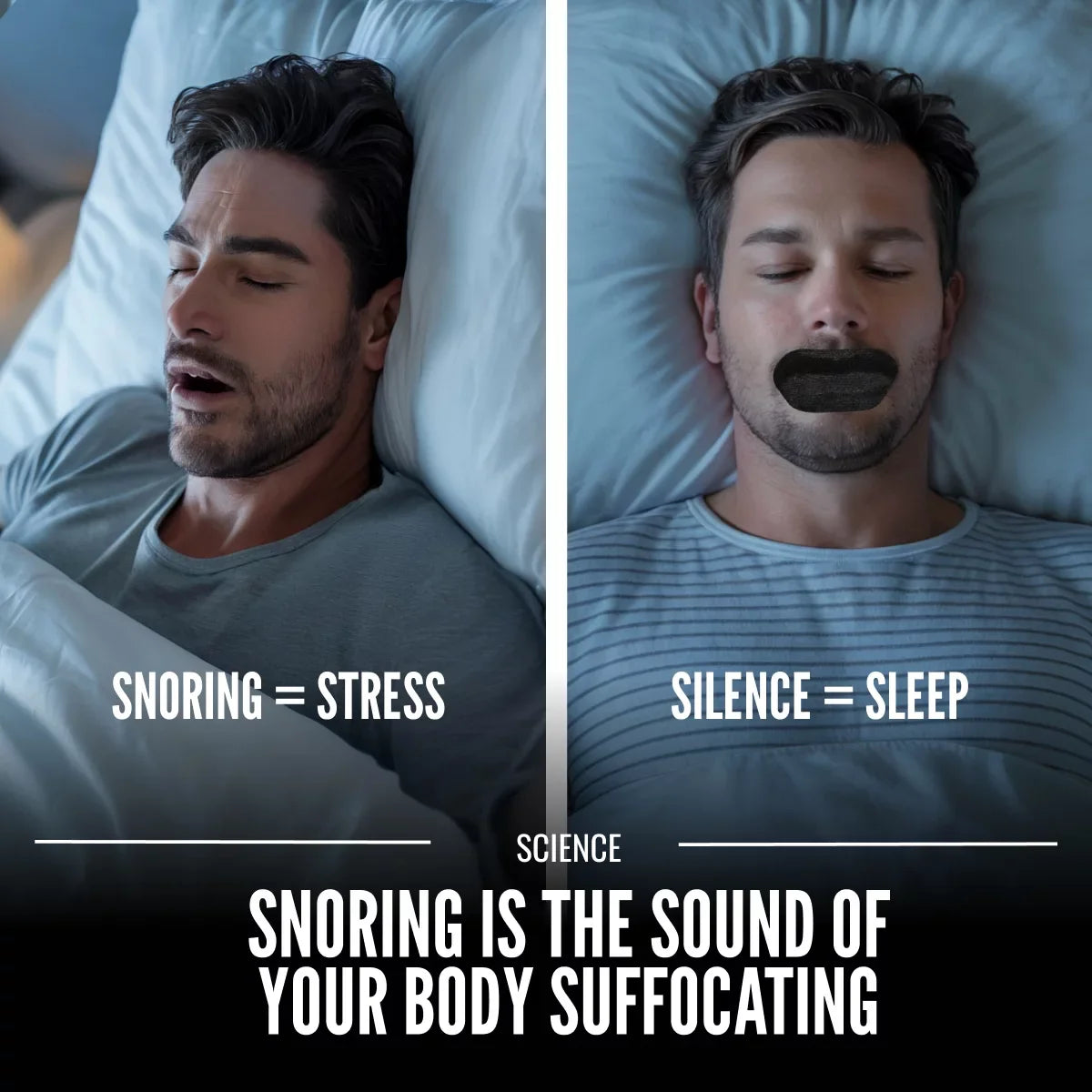
Snoring is often a mouth breathing problem. When the mouth falls open during sleep, the tongue can drop back and the soft tissues of the throat vibrate. That vibration is the sound of snoring. A growing number of sleepers use mouth tape to encourage nasal breathing at night, which may lower snoring intensity for the right people.

Why Mouth Breathing Triggers Snoring
Sleeping with an open mouth changes the shape and stability of your upper airway. Airflow becomes turbulent and the soft palate and oropharyngeal tissues vibrate. Nasal breathing helps stabilize airflow, humidify and warm the air, and supports nitric oxide production that improves oxygen delivery [1].
How Mouth Tape Works
Mouth tape provides a gentle reminder to keep the lips together. It does not block breathing. For adults with clear nasal airflow, this can encourage the body to use the nose more consistently during sleep. Many people report less dry mouth, fewer night wakings, and quieter nights over time.

What Safe Mouth Tape Should Do
- Use hypoallergenic, medical grade adhesive for facial skin
- Allow micro breathability and easy removal in the morning
- Fit different faces and facial hair comfortably
- Stay put through sleep cycles without pulling skin
What the Evidence Suggests
Research on airway physiology shows nasal breathing supports efficient oxygen transport and may reduce respiratory effort [2]. While mouth tape is not a medical treatment for snoring, it may reinforce nasal breathing behaviors that lessen airway vibration for select adults. Clinicians often combine it with nasal hygiene, positional strategies, and weight or alcohol timing guidance when appropriate.

Doctor Insight
“For adults who can breathe clearly through the nose, gentle mouth taping can support nasal breathing and may reduce snoring. Screening for nasal obstruction and sleep apnea is important before use.”
— Dr. David Alfi
When Mouth Taping Is Not Recommended
- Suspected or untreated obstructive sleep apnea
- Severe nasal congestion or chronic nasal blockage
- Respiratory illness or panic disorder
If any of the above apply, speak with a healthcare professional before trying mouth tape.

How to Start Safely
- Confirm clear nasal airflow before bed
- Begin with a small vertical strip to get used to the sensation
- Practice removal slowly in the morning to protect skin
- Pair with nasal rinses, humidification, or allergy management as advised

What to Use
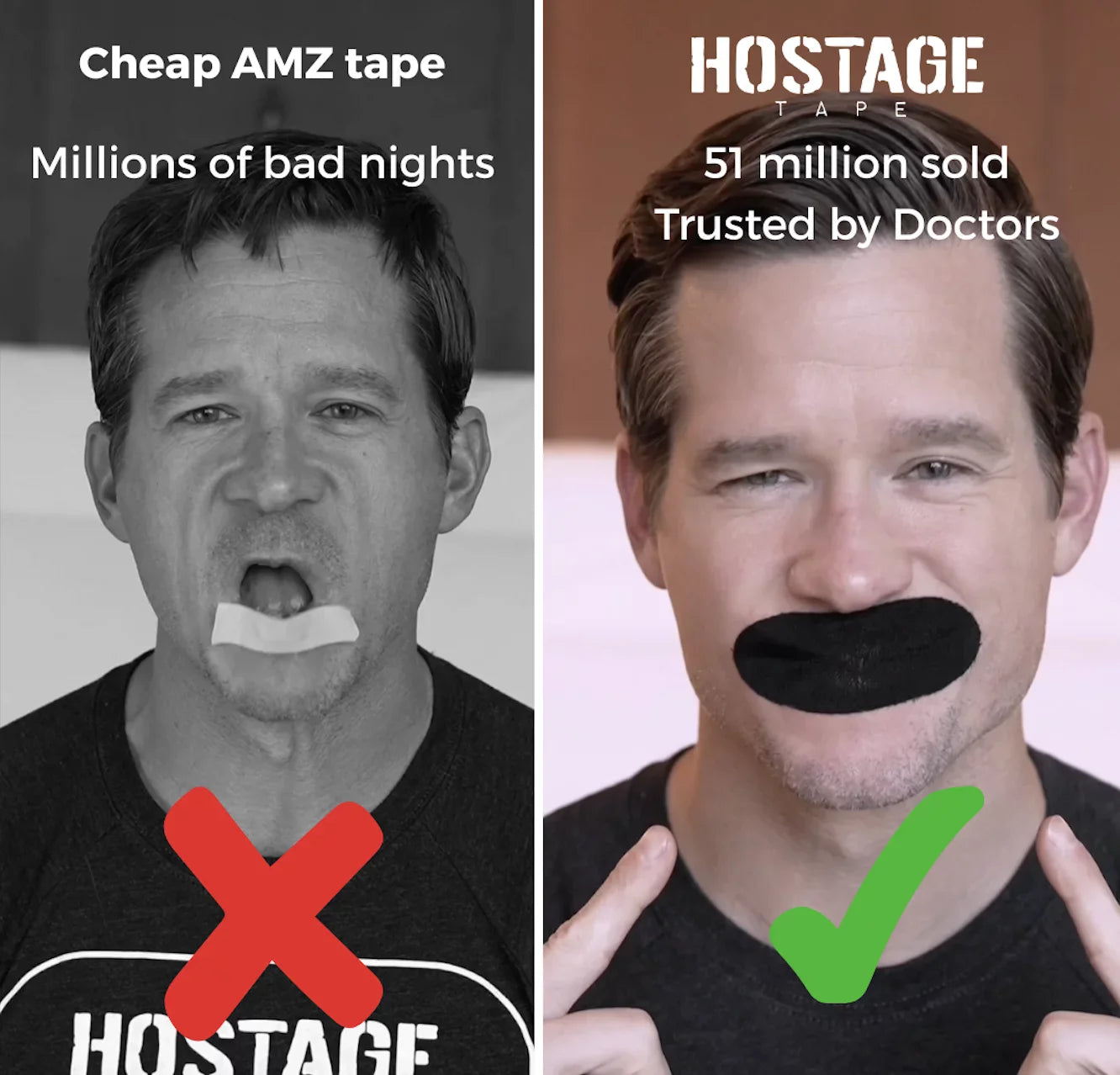
Choose a product designed specifically for overnight use on facial skin. Hostage Tape uses a breathable, skin friendly adhesive and fabric that stays in place all night but removes easily in the morning. It is designed to work for different face shapes and facial hair.
Shop Hostage Tape
Shop Hostage Tape – The Original Sleep Tape
References
- Lundberg JO, Weitzberg E. Nitric oxide in exhaled air. Eur Respir J. 1996;9(12):2671–2675.
- Courtney R. The functions of breathing and its dysfunction. Breathe. 2016;12(3):213–220.
Related Reading
- Learn more about Mouth Tape
- 5 Reasons This Mouth Tape Helped Us Stop Snoring From Ruining Our Marriage
- Top 10 Mouth Tape Questions – Dr. David Alfi Answers Everything You Need to Know
- How to Use Mouth Tape Safely for Better Sleep
- Is Mouth Tape Safe? Dr. David Alfi Explains the Science and Safety of Hostage Tape
- The Science Behind Mouth Tape and Nasal Breathing During Sleep
- Dr. David Alfi Oral Surgery Blog – Clinical Perspective on Mouth Tape Safety
- Hostage.co – Lifestyle Version: Is Mouth Taping Safe
- Shop Hostage Tape – The Original Sleep Tape
- Explore All Hostage Tape Articles
Medical Disclaimer
This article is for educational purposes only and does not replace medical or dental advice. Mouth tape may not be appropriate for everyone. Individuals with nasal obstruction, suspected sleep apnea, or respiratory illness should consult a qualified healthcare provider before use.
Share:
Why You Shouldn’t Use Regular Tape for Mouth Taping (And What to Use Instead)
Why Does My Mouth Pop Open When I Sleep?