


Does Mouth Taping Help With Dry Mouth? The Science Behind Overnight Hydration
By Dr. David Alfi, DDS, MD, FACS • Oral and Maxillofacial Surgeon
Estimated read time: 6 minutes
Quick Answer: Yes — for most people, mouth taping can significantly reduce morning dry mouth. By gently sealing the lips, it promotes nasal breathing and prevents saliva from evaporating overnight [1].
Why do you wake up with a dry mouth?
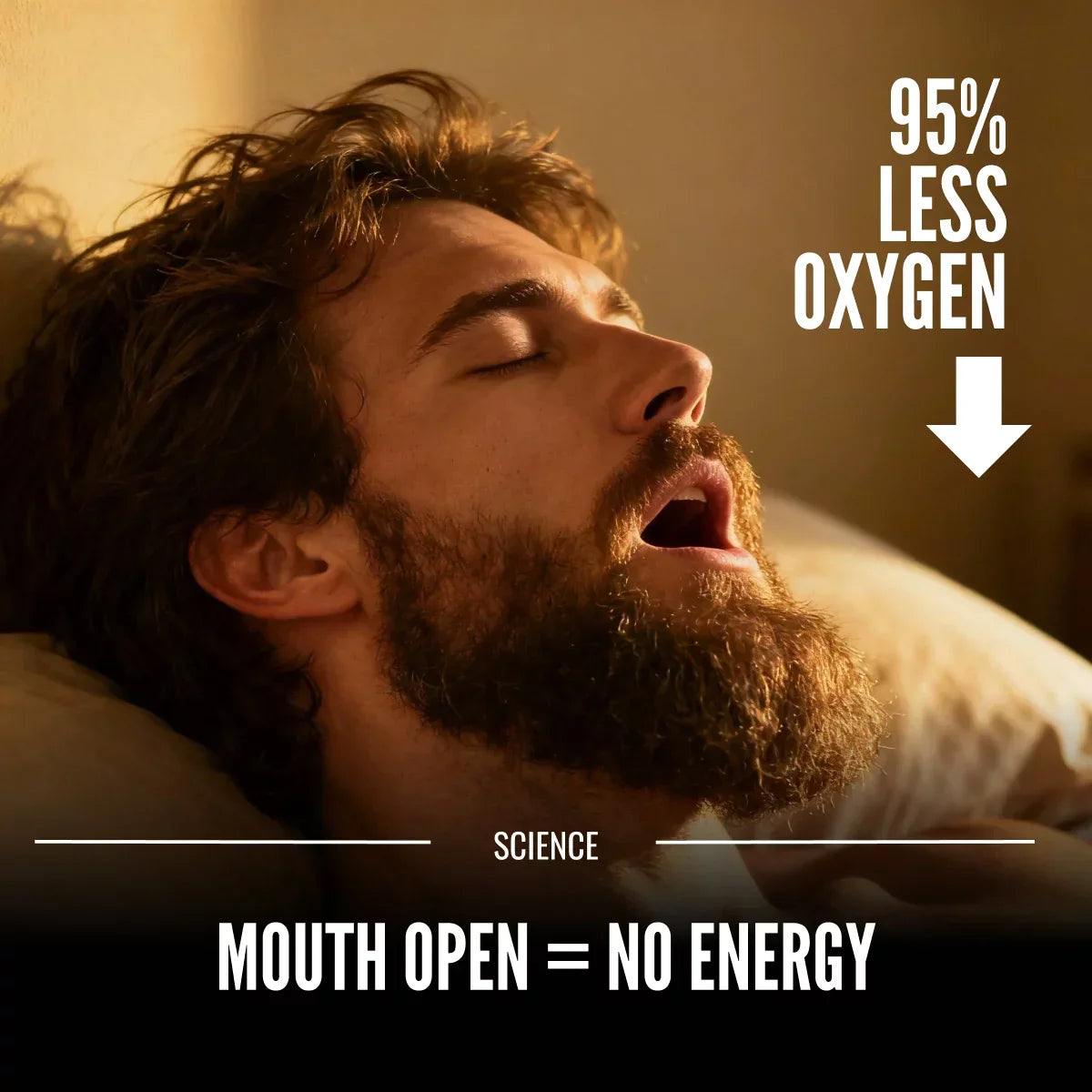
Dry mouth (xerostomia) usually occurs when you breathe through your mouth while sleeping. This airflow dries saliva, irritates soft tissues, and increases the risk of cavities and sore throat [2].
How mouth taping helps
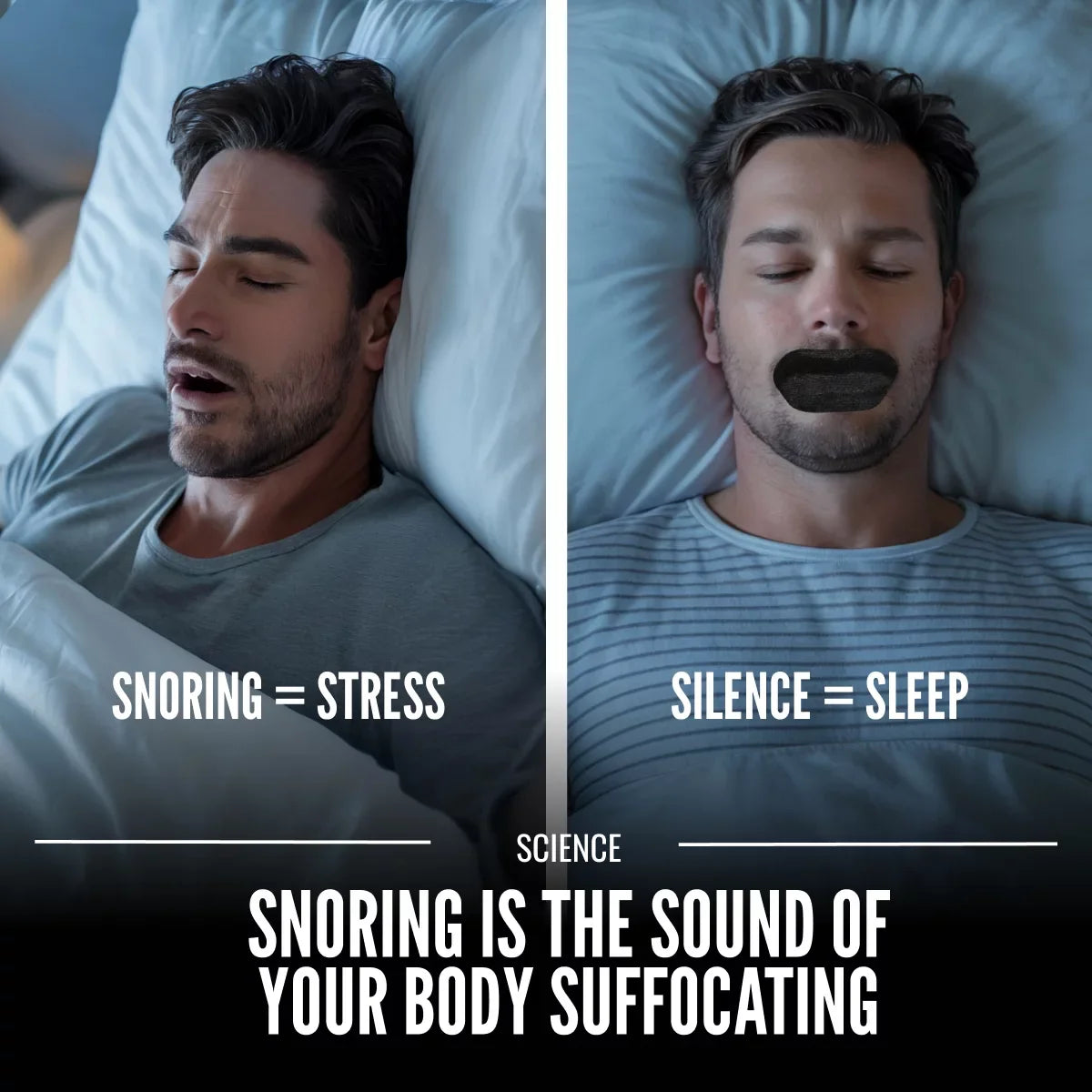
By keeping your lips closed, mouth taping encourages nasal breathing — your body’s natural humidifier. Nasal passages warm and moisten incoming air, keeping the throat and mouth hydrated throughout the night [3].
| Breathing Method | Saliva Retention | Dry Mouth Risk |
|---|---|---|
| Nasal Breathing | High — saliva preserved overnight | Low [3] |
| Mouth Breathing | Low — saliva evaporates | High [2] |
Why dry mouth is more than an annoyance
Saliva isn’t just moisture — it’s the mouth’s immune defense. It contains antimicrobial enzymes and minerals that protect teeth and gums. Chronic dryness increases risk of cavities, gum disease, and bad breath [4].
How Hostage Tape makes it safer and easier
Hostage Tape uses a soft, skin-safe adhesive designed for overnight comfort. It stays in place even with facial hair and removes easily in the morning. Thousands of users report waking up hydrated — without the sticky, cottonmouth feeling that comes from open-mouth breathing.
When to be cautious
- If you have nasal congestion or allergies
- If you experience sleep apnea or frequent nighttime gasping
- If you can’t comfortably breathe through your nose while awake
Wake up hydrated. Sleep with your mouth closed — naturally.
Related Links
References
- Courtney R. The functions of breathing and its dysfunction. Breathe. 2016;12(3):213–220. PubMed 27683615
- Pedersen AM et al. Salivary changes and oral health in mouth breathers. Arch Oral Biol. 1998;43(10):843–848. PubMed 9839721
- Eccles R. Nasal airflow and humidification. Breathe. 2003;9(5):353–360. PubMed 14621159
- Navazesh M et al. Dry mouth: etiology, classification, diagnosis, and treatment. Oral Surg Oral Med Oral Pathol Oral Radiol Endod. 2003;95(1):28–46. PubMed 12539022
Disclosure
Dr. Alfi serves as a clinical advisor to Hostage Tape and provides education on airway and sleep health. He does not receive commissions for product sales; his focus is evidence-based patient safety.
Medical Disclaimer
The information in this article is for educational purposes only and does not constitute medical or dental advice. It should not replace individualized evaluation by a qualified professional. Mouth taping may support hydration and nasal breathing but is not a treatment for medical xerostomia or salivary gland disorders.
Source Transparency
All claims are supported by peer-reviewed respiratory and oral-health literature (see References). Hostage Tape has not been evaluated as a medical treatment for dry mouth.

Share:
Can Mouth Taping Stop Snoring?
Can I Use Normal Tape for Mouth Taping?