


Mouth Taping for Asthma Relief: Unlocking Better Nights and Easier Breathing
By Dr. David Alfi, DDS, MD, FACS • Oral and Maxillofacial Surgeon
Estimated read time: 6 minutes
Quick Answer: Mouth taping does not treat asthma, but it may help support nasal breathing that keeps airways warmer and more humidified during sleep. This can reduce dryness and irritation—common triggers for nighttime asthma symptoms [1]. Always continue prescribed medications and consult your doctor before trying any breathing technique or mouth tape.
How can nasal breathing support people with asthma?
The nose warms, humidifies, and filters incoming air, reducing airway irritation that can trigger asthma flare-ups [2]. Nasal breathing also produces nitric oxide, a molecule that helps regulate bronchial tone and improves oxygen exchange [3].
Why does mouth breathing worsen asthma symptoms?
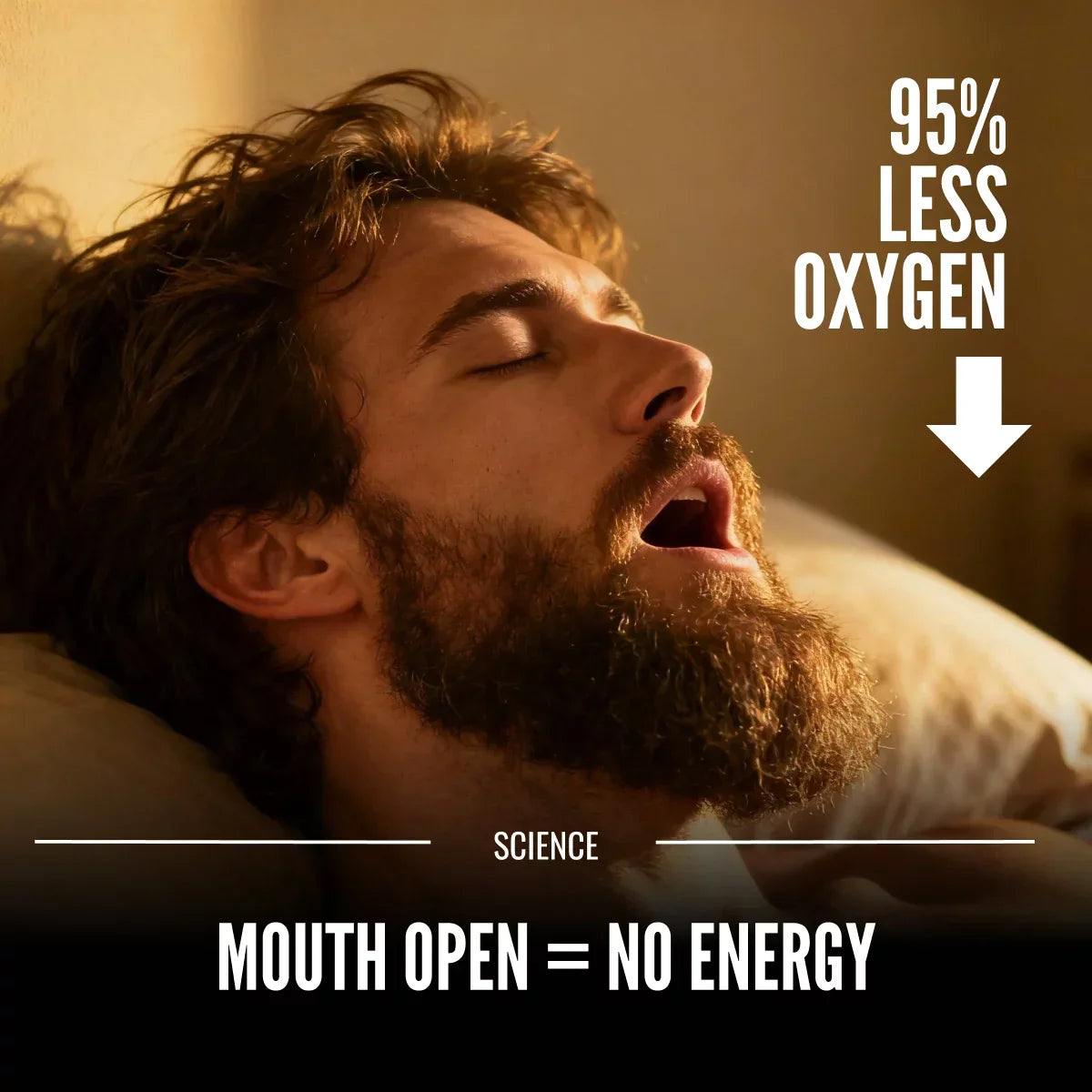
When you breathe through your mouth, cool dry air enters directly into the bronchi, which can trigger bronchoconstriction in susceptible individuals [4]. Chronic mouth breathing is also linked to airway inflammation and dehydration of the respiratory mucosa [5].
| Breathing Type | Air Temperature & Humidity | Airway Irritation Risk | Nitric Oxide Benefit |
|---|---|---|---|
| Nasal Breathing | Warm, humidified | Lower [2] | High [3] |
| Mouth Breathing | Cool, dry | Higher [4] | Low |
Can mouth taping help with asthma at night?
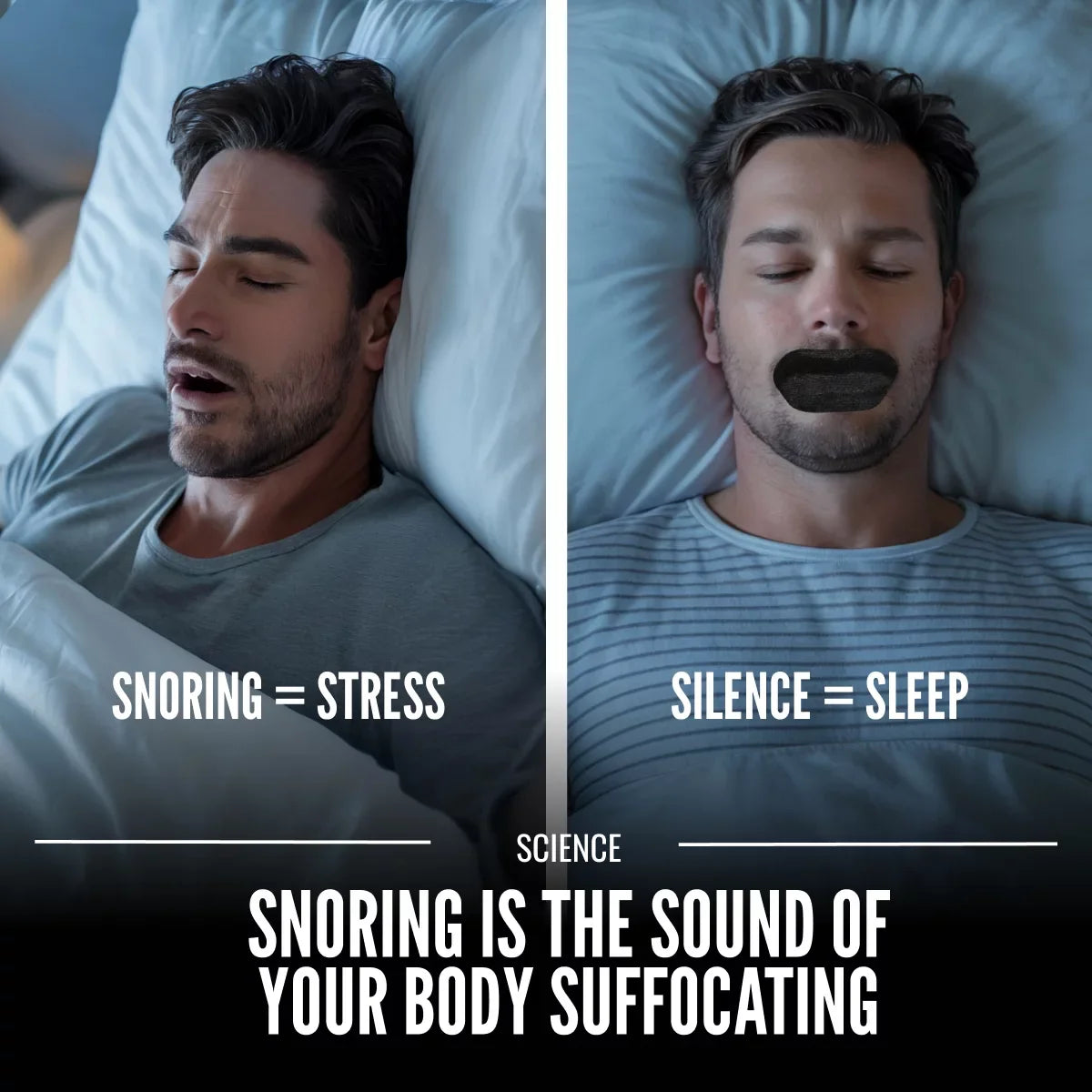
Possibly — by encouraging nasal breathing and reducing oral dryness during sleep. However, it should only be considered in well-controlled asthma after a physician confirms that nasal airways are clear and nocturnal breathing is stable [6].
When should you avoid mouth taping if you have asthma?
- During an asthma flare-up or when you feel chest tightness
- When you have a cold or sinus congestion
- If you use a rescue inhaler frequently at night
- Without explicit approval from your pulmonologist or sleep specialist
How can you safely encourage nasal breathing with asthma?
- Use daily saline rinses to reduce nasal resistance [7]
- Practice slow, diaphragmatic breathing before bed
- Consider gentle nighttime Hostage Tape only after medical clearance
- Maintain a humid bedroom (40–50% humidity)
Gentle, skin-safe, and designed to support nasal breathing for better rest.
Related Links
References
- Brusasco V et al. Mechanisms of airway hyperresponsiveness in asthma. Eur Respir J. 1998;12(5):1254-1262. PubMed 9864004
- Eccles R. Nasal airflow and air conditioning. Breathe. 2003;9(5):353-360. PubMed 14621159
- Lundberg JO, Weitzberg E. Nitric oxide in exhaled air. Eur Respir J. 1996;9(12):2671-2675. PubMed 8726939
- Anderson SD et al. Exercise-induced bronchoconstriction: pathophysiologic mechanisms. Chest. 1999;116(2):608-616. PubMed 10453879
- Carroll N et al. Airway epithelial changes in chronic mouth breathers with asthma. J Allergy Clin Immunol. 2000;105(2):373-379. PubMed 10669848
- de Silva D, et al. Nocturnal asthma and sleep-disordered breathing. Clin Chest Med. 2014;35(3):569-581. PubMed 25156775
- Harvey R et al. Nasal saline irrigation for rhinosinusitis symptoms. Cochrane Database Syst Rev. 2007;(3):CD006394. PubMed 17636726
Disclosure
Dr. Alfi serves as a clinical advisor to Hostage Tape and provides guidance on airway and sleep-health education. He does not receive commissions for product sales; his role focuses on safe, evidence-based use.
Medical Disclaimer
The information in this article is for educational purposes only and does not constitute medical or dental advice. It should not replace evaluation or treatment by a qualified clinician. Mouth taping is not a therapy for asthma and should be used only with physician approval in well-controlled cases.
Dr. David Alfi is licensed in Texas as a dentist and physician (DDS, MD). Statements reflect his professional opinion and experience, not specific treatment recommendations.
Source Transparency
Evidence comes from peer-reviewed studies on airway physiology and asthma pathophysiology (see References). No clinical trials have evaluated Hostage Tape for asthma management.

Share:
Unlocking Better Sleep: The Science Behind Mouth Taping and Hostage Tape
Escape the Nightmare of Bad Sleep: The Ultimate Guide to Mouth Taping