

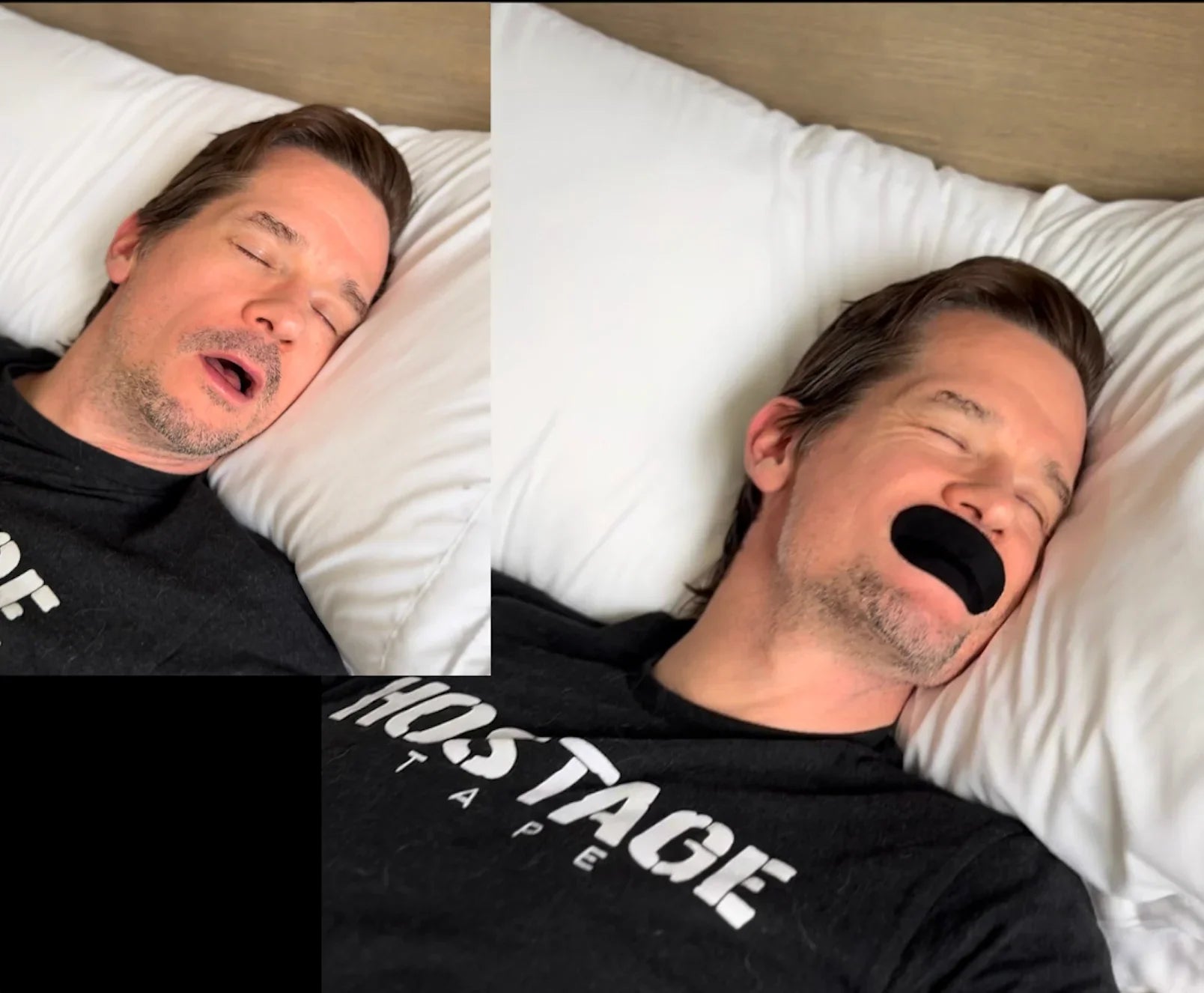
Still Awake? Blame Your Mouth, Not the Melatonin
By Dr. David Alfi, DDS, MD, FACS • Oral and Maxillofacial Surgeon
Estimated read time: 6 minutes
Quick Answer: If melatonin isn’t helping you fall asleep, the problem may not be your hormones — it’s your breathing. Mouth breathing increases stress hormones, reduces oxygen flow, and blocks your brain’s ability to transition into deep, restorative sleep [1].
Why melatonin isn’t the real problem
Melatonin only signals your body that it’s time to sleep — it doesn’t control how deeply you rest. If your body is still in “fight or flight” mode because of mouth breathing, no supplement can override that [2].
How mouth breathing keeps you wired at night
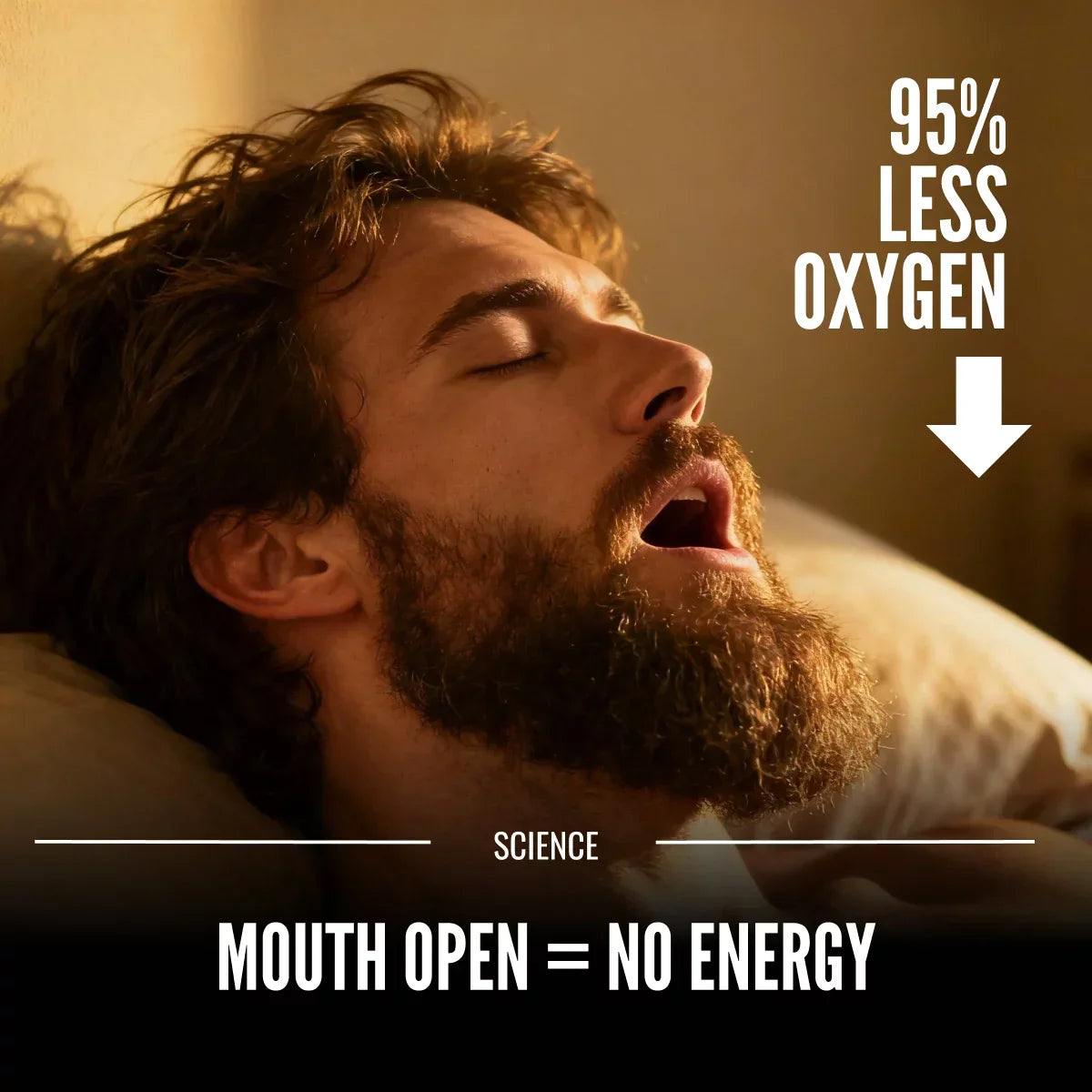
Breathing through your mouth dries out your airway and increases cortisol, your primary stress hormone. That rise in cortisol cancels melatonin’s calming effect, leaving you restless and alert even when you’re exhausted [3].
| Breathing Type | Cortisol (Stress) | Melatonin Effectiveness | Sleep Quality |
|---|---|---|---|
| Nasal Breathing | Low — body stays calm | High — melatonin works properly | Deep and restorative [4] |
| Mouth Breathing | High — triggers fight-or-flight | Low — melatonin signal disrupted | Light, fragmented sleep |
Why nasal breathing helps you fall asleep faster
Nasal breathing activates the parasympathetic nervous system — your body’s “rest and digest” mode. It slows your heart rate, balances oxygen and carbon dioxide, and allows melatonin to do its job more effectively [5].
How mouth taping can help
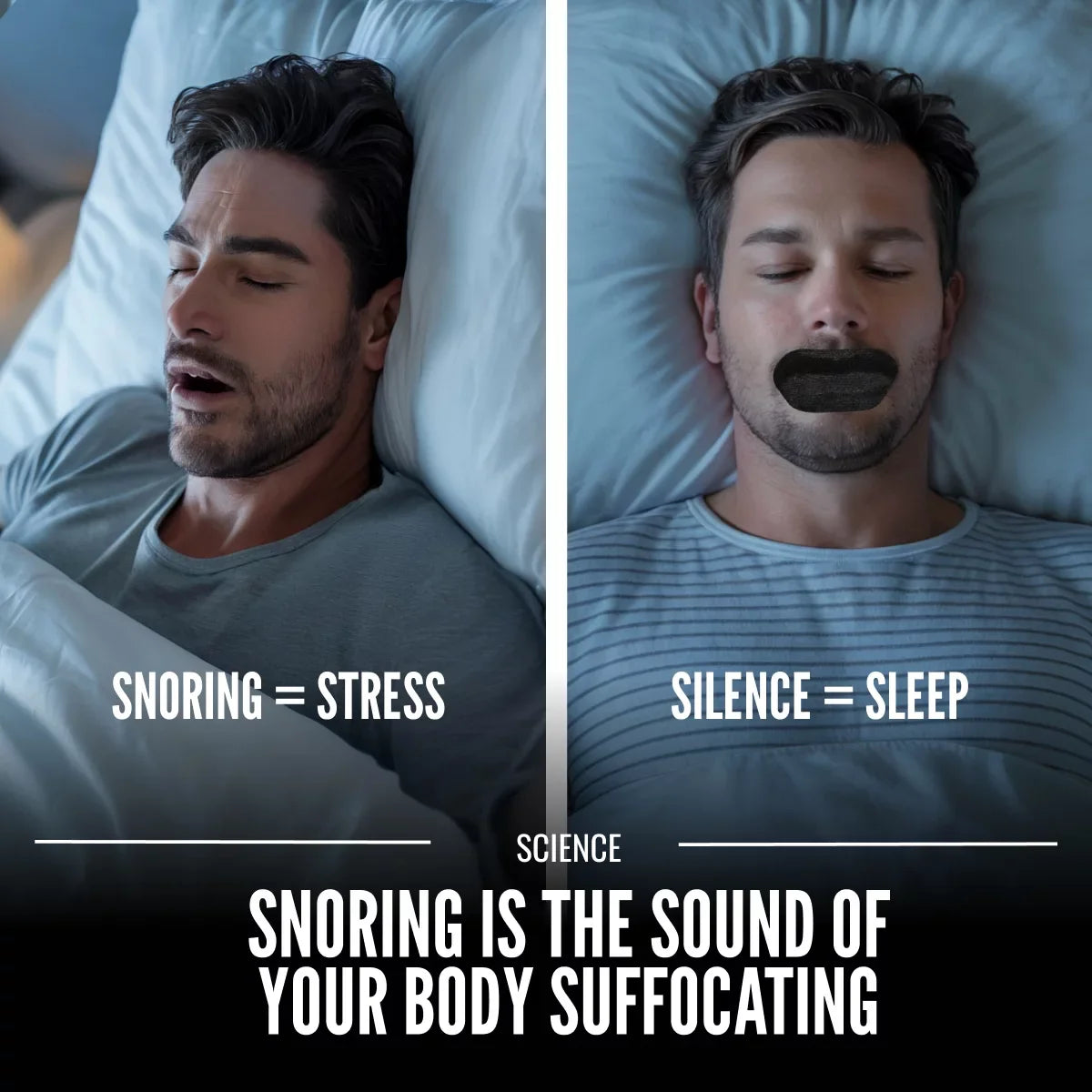
Using a purpose-built, skin-safe tape like Hostage Tape helps train your body to breathe through your nose at night. It prevents the cortisol spike caused by mouth breathing and supports deeper, more natural sleep cycles without needing higher melatonin doses [6].
When to see a doctor
If you’ve been relying on melatonin for weeks and still wake up tired, it’s worth getting screened for sleep-disordered breathing or nasal obstruction. Addressing your airway often resolves fatigue better than any supplement [7].
Breathe through your nose. Sleep naturally. Wake up restored.
Related Links
References
- Courtney R. The functions of breathing and its dysfunction. Breathe. 2016;12(3):213–220. PubMed 27683615
- Walker MP. The role of sleep in memory and circadian rhythms. Science. 2005;307(5713):1052–1055. PubMed 15718463
- Spiegel K et al. Sleep loss and cortisol regulation. J Clin Endocrinol Metab. 1999;84(6):1981–1985. PubMed 10372671
- Jerath R et al. Physiology of slow breathing and parasympathetic activation. Med Hypotheses. 2006;67(3):566–571. PubMed 16460892
- Lundberg JO & Weitzberg E. Nitric oxide in exhaled air. Eur Respir J. 1996;9(12):2671–2675. PubMed 8726939
- Bonnet MH et al. Breathing patterns and sleep quality. Sleep. 2017;40(2):zsx010. PubMed 28364473
- Epstein LJ et al. Clinical guideline for sleep disorder evaluation. J Clin Sleep Med. 2009;5(3):263–276. PubMed 19960649
Disclosure
Dr. Alfi serves as a clinical advisor to Hostage Tape and provides educational content on airway and sleep health. He does not receive commissions for product sales; his role focuses on evidence-based guidance.
Medical Disclaimer
The information in this article is for educational purposes only and does not constitute medical or dental advice. It should not replace personalized care from a licensed clinician. Mouth taping supports healthy nasal breathing and sleep quality but is not a treatment for insomnia or hormonal disorders.
Source Transparency
All findings are drawn from peer-reviewed sleep, endocrine, and respiratory physiology research (see References). Hostage Tape has not been evaluated as a hormonal or pharmacologic intervention.

Share:
How Mouth Breathing Worsens Your Allergy Symptoms—And What to Do About It
The Science Behind Mouth Tape and Nasal Breathing During Sleep