

Mouth Taping Side Effects: What to Expect & When to Stop
Meta Description: Learn about the potential side effects of mouth taping, from skin irritation to anxiety. This guide covers what to expect, how to minimize risks, and when to stop using mouth tape.
Author: Alex Neist, Sleep & Wellness Researcher
Table of Contents
- The Bottom Line: Are There Side Effects?
- Common Side Effects of Mouth Taping
- How to Minimize Side Effects
- When to Stop Mouth Taping Immediately
- Conclusion: Prioritizing Safety and Comfort
The Bottom Line: Are There Side Effects?
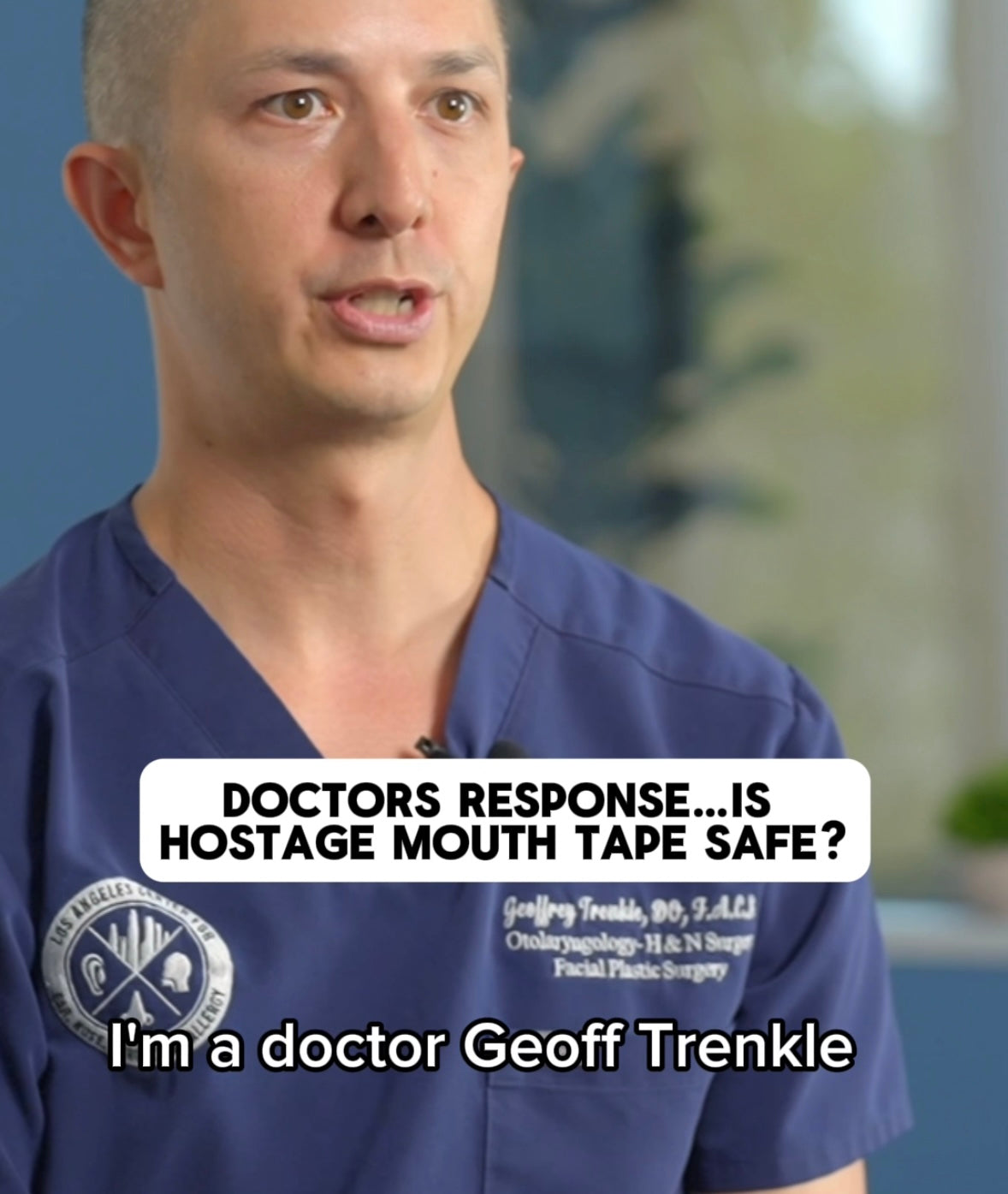
Yes, mouth taping can have side effects, especially when done incorrectly or by individuals for whom it is not suitable. While many people use mouth tape without any issues, it's important to be aware of the potential side effects, which can range from minor skin irritation to more serious issues like anxiety and difficulty breathing.
This article provides a comprehensive overview of the potential side effects of mouth taping and how to minimize them.
Common Side Effects of Mouth Taping
Here are the most common side effects associated with mouth taping:
Skin Irritation
This is the most frequently reported side effect. It can be caused by:
- Using the wrong type of tape: Household tapes like duct tape or scotch tape have harsh adhesives that can cause redness, rashes, and skin damage.
- Allergic reactions: Some people may be sensitive to the adhesive, even in medical-grade tapes.
- Improper removal: Ripping the tape off quickly can cause irritation.
According to the American Academy of Dermatology, applying adhesives to the skin can lead to contact dermatitis in sensitive individuals [1].
Anxiety and Discomfort
The sensation of having your mouth taped shut can be unsettling for some people, leading to feelings of anxiety, claustrophobia, or panic. This can make it difficult to fall asleep and may disrupt sleep throughout the night.
Difficulty Breathing
This is the most serious potential side effect. If you have any nasal congestion or obstruction, taping your mouth can make it difficult to get enough air. As the Sleep Foundation notes, if you can't breathe easily through your nose, you should not use mouth tape [2].
Sleep Disruption
Ironically, for some people, mouth taping can disrupt sleep rather than improve it. The discomfort or anxiety caused by the tape can lead to a restless night and frequent awakenings.
How to Minimize Side Effects
If you want to try mouth taping, you can minimize the risk of side effects by following these steps:
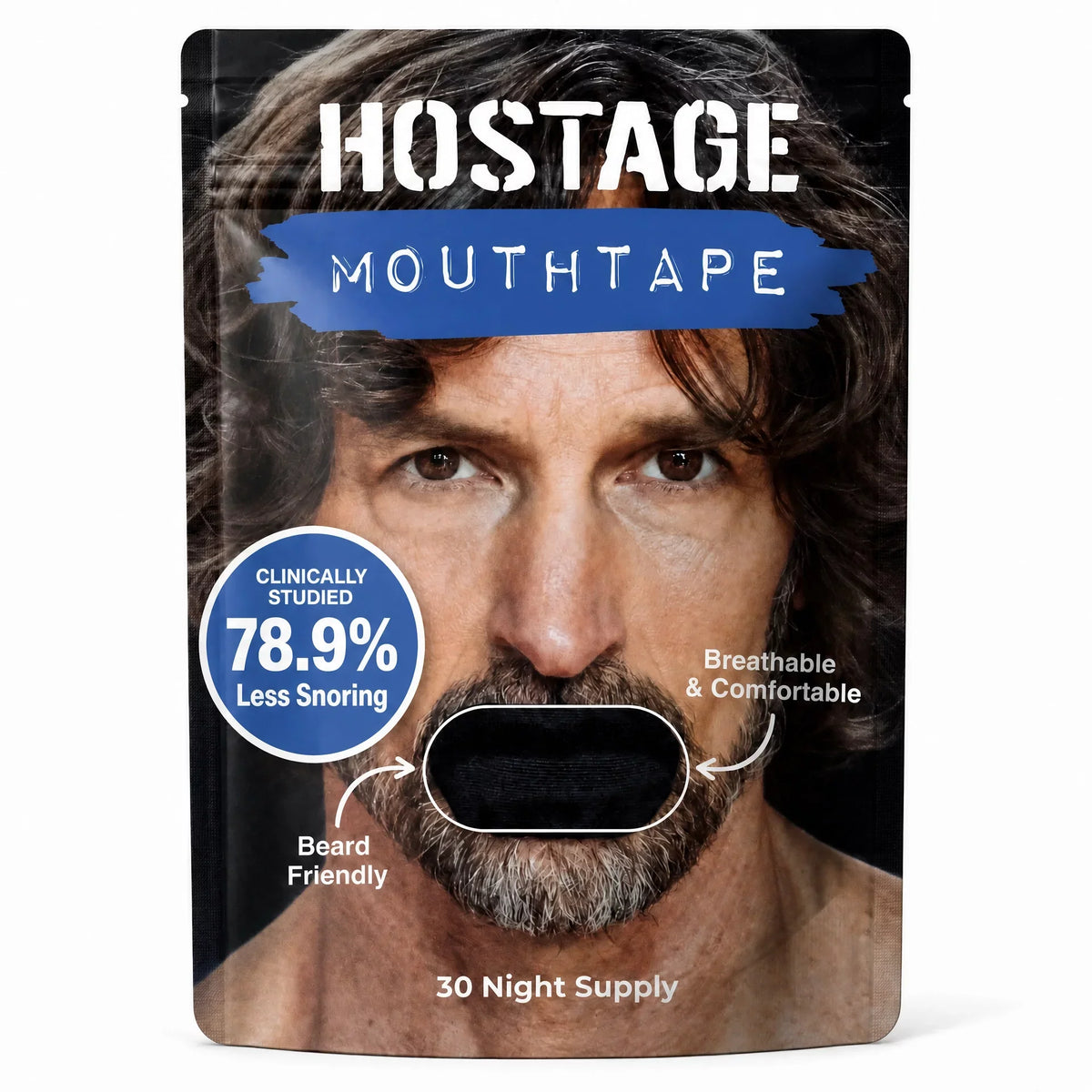
- Use Purpose-Built Tape: Always use a gentle, hypoallergenic tape designed for skin contact, like Hostage Tape.
- Do a Patch Test: Apply a small piece of the tape to your skin (e.g., on your arm) for a few hours to check for any allergic reactions.
- Start Slow: Wear the tape for short periods during the day to get used to the sensation before trying it overnight.
- Ensure Clear Nasal Passages: Do not use mouth tape if you have a cold, allergies, or any other condition that makes it difficult to breathe through your nose.
- Remove Gently: In the morning, remove the tape slowly and gently to avoid skin irritation.
For a complete guide on how to start safely, read our article: [The Complete Guide to Mouth Taping].
When to Stop Mouth Taping Immediately
Discontinue use of mouth tape immediately if you experience any of the following:
- Difficulty breathing
- Chest pain
- Dizziness or lightheadedness
- Severe anxiety or panic
- Nausea or vomiting
Always consult with a healthcare professional if you have any concerns about the side effects of mouth taping. For more information on who should avoid mouth taping, read our article: [Is Mouth Taping Safe? What Medical Experts Say].
Conclusion: Prioritizing Safety and Comfort
While mouth taping can be a useful practice for some, it's not without potential side effects. By using the right materials, starting slowly, and listening to your body, you can minimize the risks. However, safety and comfort should always be the top priorities. If you experience any negative side effects, it's best to stop and consult with a healthcare professional.
References
[1] American Academy of Dermatology. (n.d.). Contact Dermatitis: Tips for Managing. https://www.aad.org/public/diseases/a-z/contact-dermatitis-managing
[2] Sleep Foundation. (2025, July 25). Mouth Taping for Sleep: Does It Work?. https://www.sleepfoundation.org/snoring/mouth-taping-for-sleep
IMPORTANT DISCLAIMER: This article is for informational purposes only and does not constitute medical advice. Always consult with a qualified healthcare professional for any health concerns or before making any changes to your health routine.
Share:
Is Mouth Taping Safe? What Medical Experts Say
Does Mouth Taping Work? What the Research Shows