

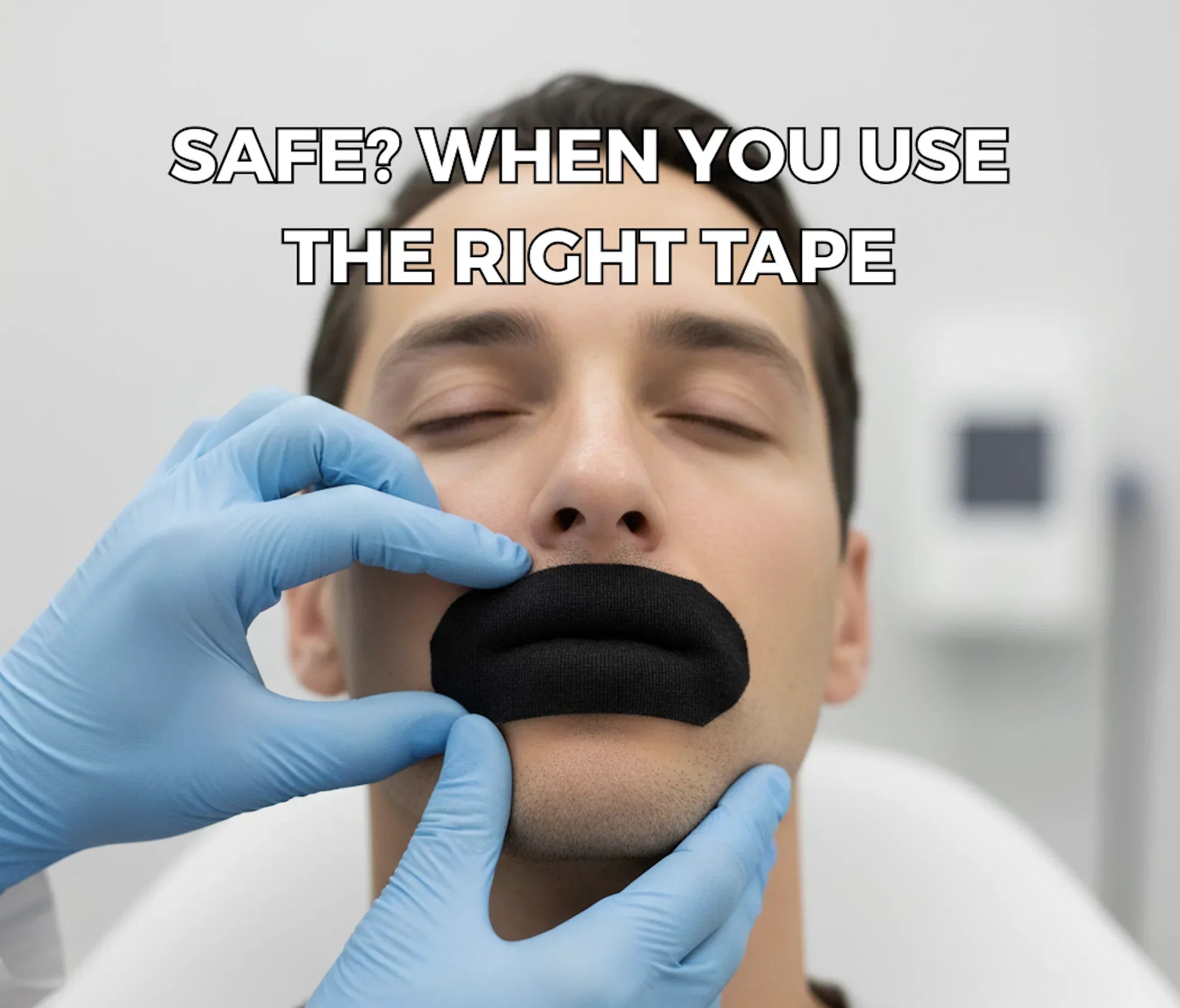
Is Mouth Taping Safe? What Medical Experts Say
Meta Description: Is mouth taping safe? This guide covers what medical experts say about the safety of mouth taping, who should avoid it, and the potential risks involved, with citations from leading health institutions.
Author: Alex Neist, Sleep & Wellness Researcher
Table of Contents
- The Bottom Line: Is Mouth Taping Safe?
- Who Should NOT Use Mouth Tape?
- Potential Risks and Side Effects
- What Medical Experts Say About Mouth Taping
- Safety Guidelines for Mouth Taping
- Conclusion: A Cautious Approach
The Bottom Line: Is Mouth Taping Safe?
While mouth taping is a popular wellness trend, its safety depends entirely on the individual. For healthy individuals who can breathe comfortably through their nose, mouth taping is generally considered low-risk when done correctly with purpose-built tape. However, for people with certain medical conditions, it can be dangerous.
This article breaks down what medical experts say about the safety of mouth taping, who should avoid it, and the potential risks involved.
Who Should NOT Use Mouth Tape?
Medical professionals are clear that mouth taping is not for everyone. You should never use mouth tape if you have any of the following conditions:
- Nasal Obstruction: If you have difficulty breathing through your nose for any reason (allergies, cold, deviated septum, nasal polyps), do not use mouth tape. As Cleveland Clinic states, if your nose is blocked, your body needs to be able to breathe through your mouth [1].
- Sleep Apnea: Individuals with diagnosed or suspected sleep apnea should not use mouth tape without explicit approval from their doctor. Taping the mouth can worsen breathing difficulties in some cases. The Sleep Foundation warns that mouth taping can be dangerous for people with sleep apnea [2].
- Alcohol or Sedative Use: If you have consumed alcohol or taken sedatives, your natural reflexes are impaired. Do not use mouth tape in these situations.
- Nausea or Vomiting: If you feel nauseous, there is a risk of choking if you vomit while your mouth is taped.
- Respiratory or Heart Conditions: People with asthma, COPD, or other respiratory or heart conditions should avoid mouth taping.
"If you have any issues with breathing out of your nose, you shouldn’t try mouth taping. It’s important that your body is able to get the oxygen it needs at night."
— Dr. Marri Horvat, Sleep Specialist, Cleveland Clinic [1]
Potential Risks and Side Effects
Even for individuals without the conditions listed above, there are potential risks and side effects to be aware of:
- Skin Irritation: Using the wrong type of tape (like duct tape) can cause skin irritation, rashes, or allergic reactions. Always use a gentle, hypoallergenic tape designed for skin contact.
- Anxiety or Discomfort: The sensation of having your mouth taped can cause anxiety or a feeling of claustrophobia, which can disrupt sleep.
- Difficulty Breathing: If you experience any difficulty breathing, remove the tape immediately.
What Medical Experts Say About Mouth Taping
Here is a summary of what leading health institutions and experts have said about mouth taping:
| Institution/Expert | Key Takeaway |
|---|---|
| Cleveland Clinic | "It’s not a good idea for everyone... If you have sleep apnea, it can be very dangerous." [1] |
| Sleep Foundation | "Mouth taping is not a substitute for medical treatment for sleep apnea." [2] |
| Houston Methodist | "For those who can breathe through their nose without issue, mouth taping is likely safe to try." [3] |
| Dr. Ann Kearney, Stanford University | "There is a lack of large, randomized controlled trials to definitively say that it is a safe and effective practice for all." [4] |
Safety Guidelines for Mouth Taping
If you are a healthy individual with no nasal obstruction and want to try mouth taping, follow these safety guidelines:
- Consult Your Doctor: Always talk to a healthcare professional before trying mouth taping, especially if you have any underlying health concerns.
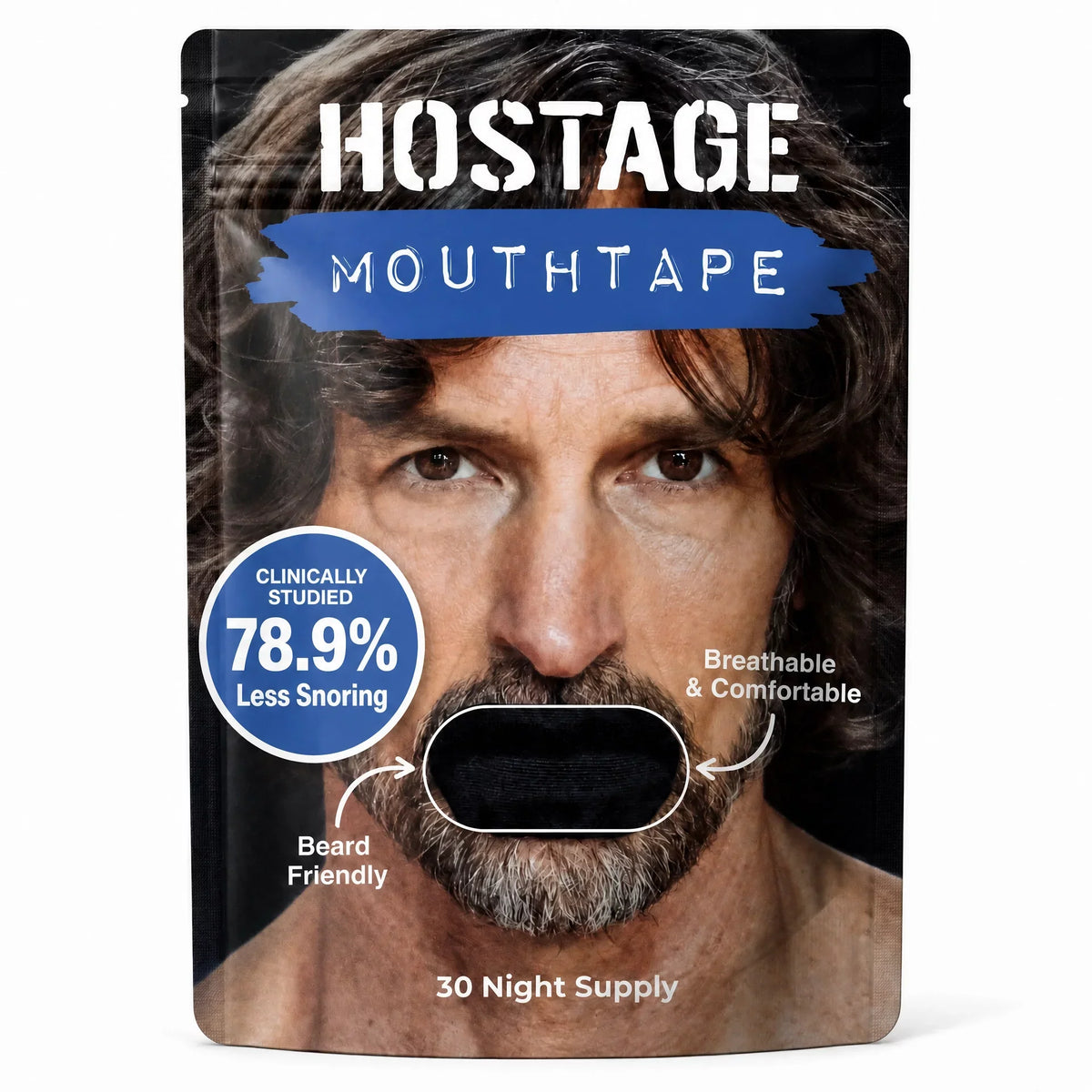
- Use Purpose-Built Tape: Never use household tape. Use a gentle, hypoallergenic tape like Hostage Tape, which is designed for skin contact.
- Test During the Day: Wear the tape for 20-30 minutes during the day to get used to the sensation and check for skin sensitivity.
- Start Slow: The first few nights may feel strange. If you feel any anxiety or discomfort, remove the tape.
- Listen to Your Body: If you experience any difficulty breathing, remove the tape immediately.
For a complete guide on how to start, read our article: [The Complete Guide to Mouth Taping].
Conclusion: A Cautious Approach
While mouth taping can be a useful tool for some, safety must be the top priority. It is not a one-size-fits-all solution and can be dangerous for individuals with certain health conditions. Always consult with a healthcare professional before trying mouth taping, and never use it if you have difficulty breathing through your nose.
References
[1] Cleveland Clinic. (2025, July 25). Is Mouth Taping Safe To Use While Sleeping?. https://health.clevelandclinic.org/mouth-taping
[2] Sleep Foundation. (2025, July 25). Mouth Taping for Sleep: Does It Work?. https://www.sleepfoundation.org/snoring/mouth-taping-for-sleep
[3] Houston Methodist. (2025, October 21). Can Mouth Tape During Sleep Be Dangerous?. https://www.houstonmethodist.org/blog/articles/2025/oct/can-mouth-tape-during-sleep-be-dangerous/
[4] Stanford Medicine. (2025, September 12). Is mouth taping a safe and effective way to get a good night’s sleep?. https://scopeblog.stanford.edu/2025/09/12/is-mouth-taping-a-safe-and-effective-way-to-get-a-good-nights-sleep/
IMPORTANT DISCLAIMER: This article is for informational purposes only and does not constitute medical advice. Always consult with a qualified healthcare professional for any health concerns or before making any changes to your health routine.
Share:
How to Choose the Right Mouth Tape: A Buyer's Guide
Mouth Taping Side Effects: What to Expect & When to Stop