


What Does Mouth Tape Do?
By Dr. David Alfi, DDS, MD, FACS • Oral and Maxillofacial Surgeon
Estimated read time: 5 minutes
Many people hear about mouth tape and wonder, “What does it actually do?” Simply put, it helps your body do what it was designed to—breathe through your nose. By supporting nasal breathing, mouth tape may help improve oxygen efficiency, hydration, and even sleep quality.
Why Nasal Breathing Matters
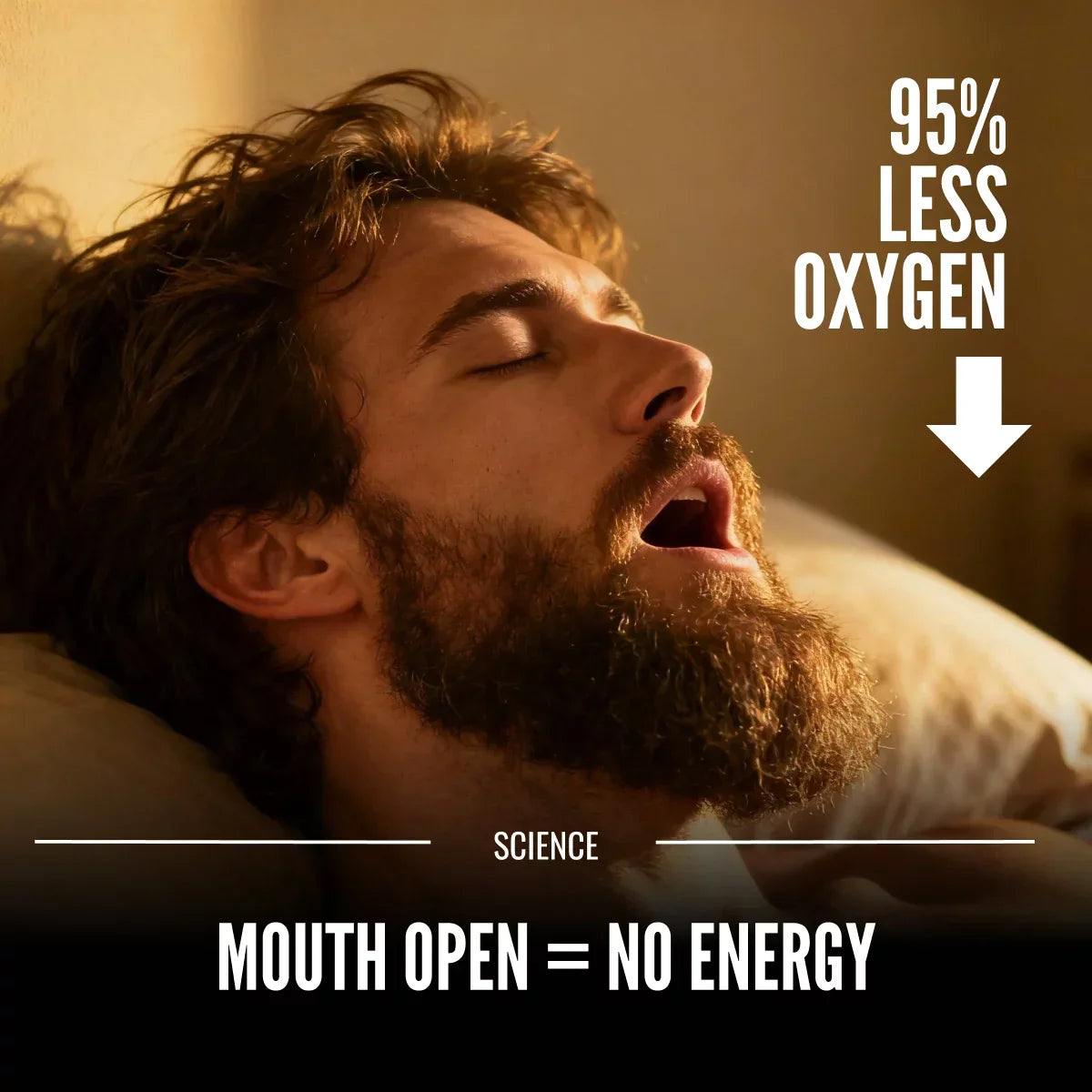
Your nose isn’t just a passage for air—it filters, warms, and humidifies every breath. When you breathe through your mouth instead, you lose moisture, dry out tissues, and increase snoring risk. Nasal breathing also helps regulate nitric oxide levels, which support oxygen absorption and blood flow.
| Breathing Type | Oxygen Uptake | Moisture Retention | Snoring Risk |
|---|---|---|---|
| Nasal Breathing | Higher (typical) | Better retention | Lower (typical) |
| Mouth Breathing | Reduced | Dryness common | Higher |
How Mouth Tape Works
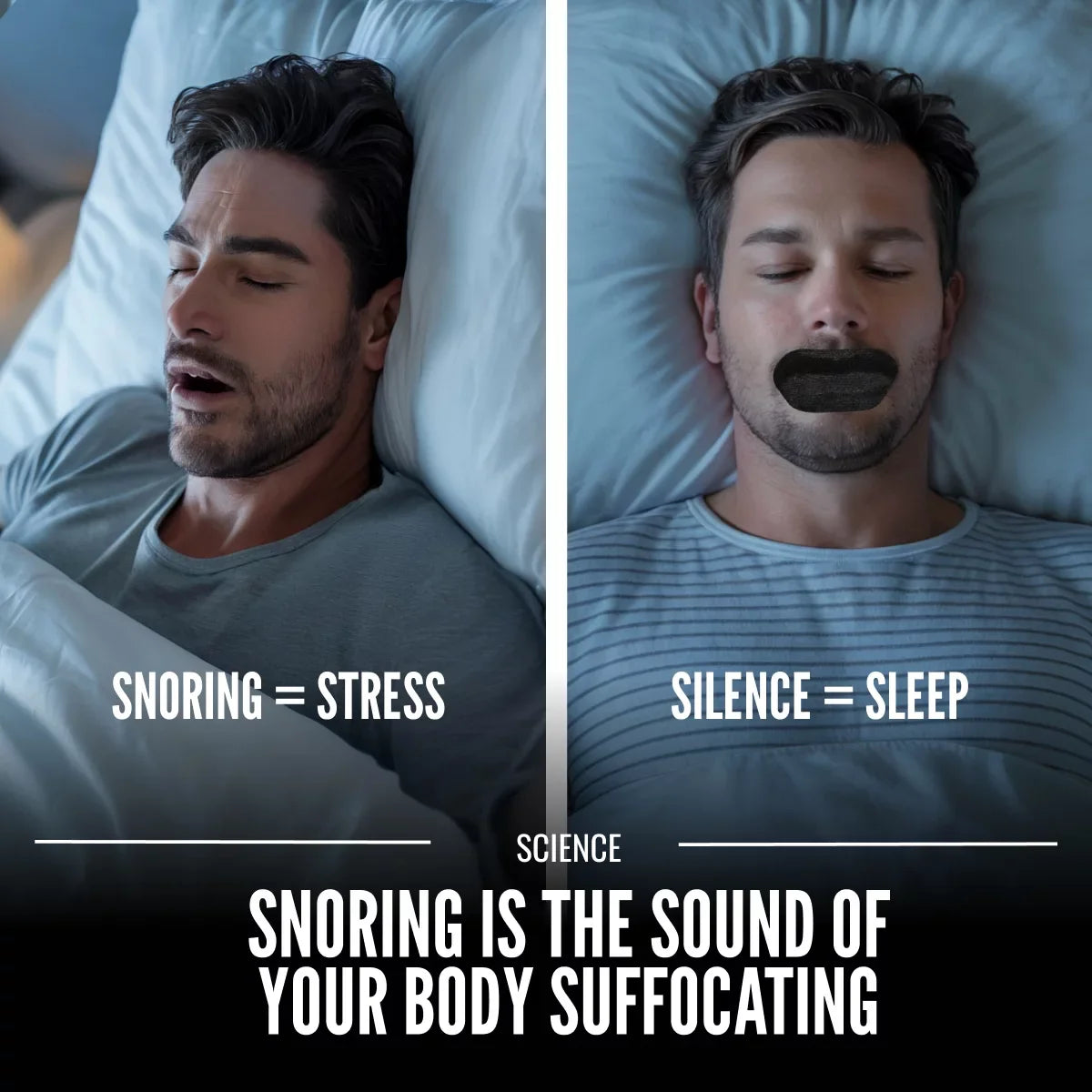
When applied correctly, a soft adhesive strip such as Hostage Tape gently seals the lips to encourage nasal breathing. It’s not about forcing the mouth closed—it’s about creating awareness and feedback that trains your body toward its natural breathing pathway.
- Encourages nasal breathing for optimal airflow
- May reduce mouth dryness and snoring
- Supports better tongue posture and airway balance
- Helps maintain hydration and improve next-day alertness
Illustrative Physiologic Effects (individual results may vary)
Based on published research and anonymized clinical observations, users of mouth tape commonly report the following benefits:
- Decreased self-reported snoring frequency
- Improved subjective sleep quality
- Less throat dryness and congestion
- Higher morning energy and concentration
Note for CPAP users: Some CPAP users find that mouth taping helps reduce air leaks. If you use CPAP, consult your sleep physician before incorporating mouth tape into your therapy.
Designed for comfort and skin feel; made to support healthy nasal breathing.
Disclosure
Dr. Alfi serves as a clinical advisor to Hostage Tape and provides guidance on airway and sleep-related health education. He does not receive commissions for product sales; his involvement focuses on promoting safe, evidence-based use.
Related Links
Medical Disclaimer
The information in this article is for educational purposes only and does not constitute medical or dental advice. It should not be used as a substitute for individualized evaluation or treatment by a qualified healthcare provider. Mouth taping is not appropriate for everyone; individuals with respiratory, nasal, or sleep-related conditions should consult their physician or dentist before use.
Dr. David Alfi is licensed in Texas as a dentist and physician (DDS, MD). Any statements reflect his professional opinion and clinical experience and are not specific treatment recommendations.
Source Transparency
Statistics and physiologic metrics cited above are drawn from published studies and aggregated clinical observations, not controlled clinical trials of Hostage Tape.

Share:
The Science Behind Mouth Tape and Nasal Breathing During Sleep
Is Mouth Taping Safe?