

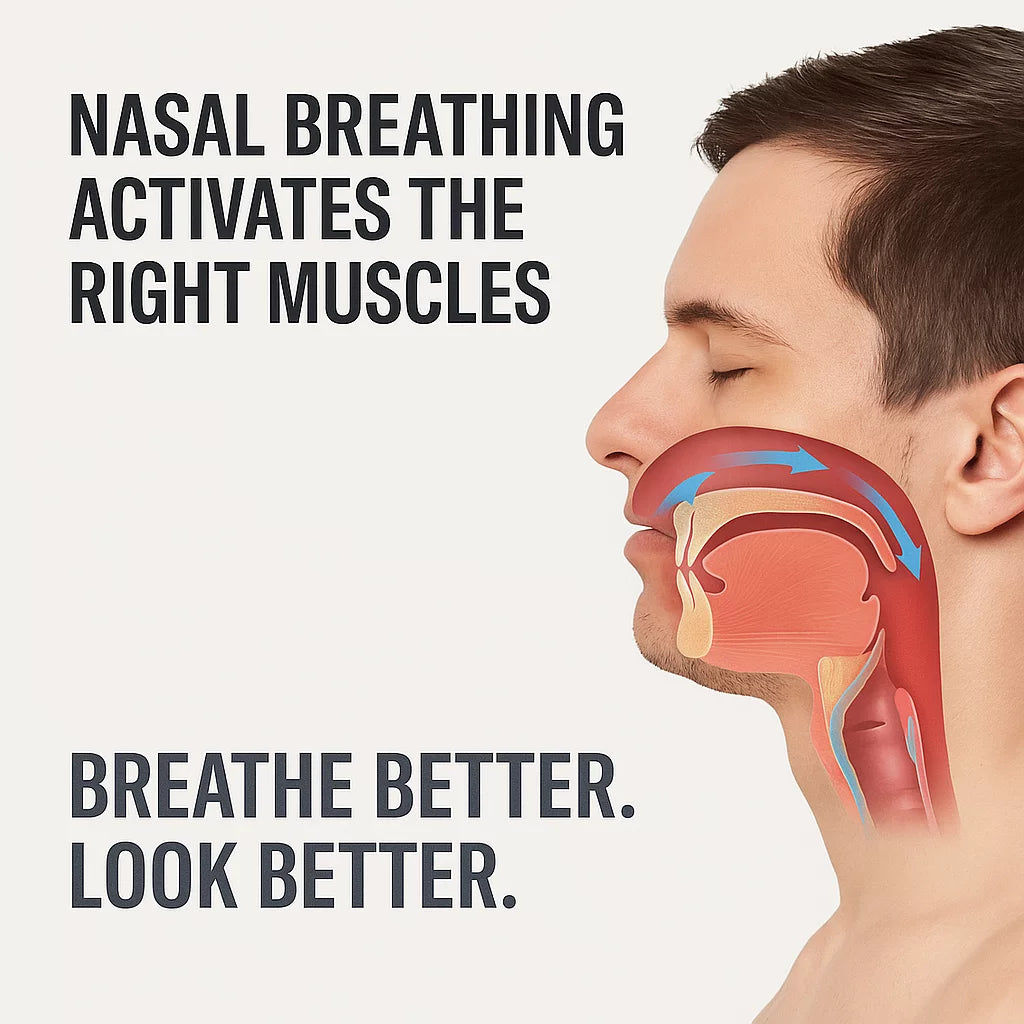
Nasal Breathing vs. Mouth Breathing: The Ultimate Guide
Meta Description: Explore the science of nasal breathing vs. mouth breathing. This guide covers the functions of nasal breathing, the consequences of chronic mouth breathing, and how to encourage nasal breathing for better wellness.
Author: Alex Neist, Sleep & Wellness Researcher
Table of Contents
- Introduction: Why Your Breathing Method Matters
- The Science of Nasal Breathing: Your Body's Built-in Filter
- The Consequences of Chronic Mouth Breathing
- Nasal Breathing vs. Mouth Breathing: A Side-by-Side Comparison
- How to Encourage Nasal Breathing
- Conclusion: The Power of the Nose
Introduction: Why Your Breathing Method Matters
Breathing is an automatic, unconscious process we do thousands of times a day. But have you ever stopped to consider how you're breathing? The choice between breathing through your nose or your mouth can have a significant impact on your overall well-being. While mouth breathing is necessary in certain situations, such as during intense exercise or nasal congestion, nasal breathing is the body's intended and more effective method of respiration.
This guide explores the science behind nasal breathing, the potential consequences of chronic mouth breathing, and actionable steps you can take to encourage your body's natural breathing pattern.
The Science of Nasal Breathing: Your Body's Built-in Filter
The human nose is a complex and sophisticated organ designed to do much more than just smell. It acts as a filter, humidifier, and temperature regulator for the air we breathe. Here are some of its key functions:
1. Air Filtration
Your nasal passages are lined with tiny hairs called cilia and a layer of mucus that work together to trap dust, pollen, allergens, and other airborne particles before they can enter your lungs. A study from the University of Chicago highlights that the nose is an efficient filter for airborne debris [1].
2. Humidification and Temperature Control
As air passes through your nasal passages, it is warmed and humidified. This process ensures that the air reaching your lungs is at an optimal temperature and moisture level, which helps prevent irritation and dryness in the respiratory tract. The American Lung Association emphasizes the importance of this function for overall respiratory health [2].
3. Nitric Oxide Production
One of the most remarkable functions of nasal breathing is the production of nitric oxide (NO), a vasodilator that helps widen blood vessels. According to research published in the American Journal of Respiratory and Critical Care Medicine, nitric oxide is produced in the nasal sinuses and is inhaled with each nasal breath. This NO helps improve oxygen circulation in the body and has antimicrobial properties [3].
"The nose is a more effective and efficient way to breathe. It filters, humidifies, and warms the air before it enters the lungs, and it also helps the body absorb oxygen more efficiently."
— Dr. Raj Dasgupta, Sleep Expert, Keck School of Medicine of USC [4]
The Consequences of Chronic Mouth Breathing
While occasional mouth breathing is normal, chronic mouth breathing can lead to several undesirable consequences, particularly during sleep.
Oral Health Issues
Mouth breathing can cause dry mouth (xerostomia), which significantly increases the risk of dental problems. A dry mouth environment allows bacteria to thrive, leading to a higher incidence of tooth decay, gum disease (gingivitis), and bad breath (halitosis). The Oral Health Foundation has noted the link between dry mouth and these conditions [5].
Sleep Disruption
Chronic mouth breathing at night is often associated with snoring and can be a contributing factor to sleep-disordered breathing. Research in the journal Sleep & Breathing has shown that mouth breathing can worsen snoring and may be associated with more severe sleep apnea in some individuals [6].
Facial and Dental Development in Children
In children, chronic mouth breathing can have a significant impact on facial and dental development. A systematic review in the International Journal of Pediatric Otorhinolaryngology found that mouth breathing in children can lead to changes in facial structure, including a longer face and altered jaw position [7].
Nasal Breathing vs. Mouth Breathing: A Side-by-Side Comparison
| Feature | Nasal Breathing | Mouth Breathing |
|---|---|---|
| Air Filtration | Excellent (filters dust, pollen, allergens) | Poor (no filtration) |
| Humidification | High (warms and moistens air) | Low (can lead to dry throat and lungs) |
| Nitric Oxide | Yes (improves oxygen circulation) | No |
| Oral Health | Neutral | Can lead to dry mouth, cavities, gum disease |
| Sleep Quality | Generally associated with better sleep | Can contribute to snoring and sleep disruption |
| Facial Development | Promotes normal development | Can alter facial structure in children |
How to Encourage Nasal Breathing
If you're a chronic mouth breather, there are several strategies you can use to encourage nasal breathing:
- Conscious Practice: Throughout the day, make a conscious effort to keep your mouth closed and breathe through your nose. Set reminders if you need to.
- Nasal Decongestants: If nasal congestion is the issue, consider using a saline nasal spray or other over-the-counter decongestants (consult with a healthcare professional first).
- Mouth Taping: For nighttime mouth breathing, some people find that using a gentle, purpose-built mouth tape can help keep their lips closed and encourage nasal breathing during sleep. To learn more, read our [The Complete Guide to Mouth Taping].
Conclusion: The Power of the Nose
Breathing is fundamental to life, and the way we breathe matters. The nose is a powerful, sophisticated organ designed to protect and support our respiratory system. By understanding the benefits of nasal breathing and the potential downsides of chronic mouth breathing, you can take proactive steps to harness the power of your body's natural breathing mechanism.
References
[1] University of Chicago. (n.d.). The Nose: An Air Filter. University of Chicago reference
[2] American Lung Association. (n.d.). The Importance of Nasal Breathing. https://www.lung.org/blog/the-importance-of-nasal-breathing
[3] Lundberg, J. O., et al. (1996). Nitric oxide and the human nose. American Journal of Respiratory and Critical Care Medicine. Journal reference [3]
[4] Keck School of Medicine of USC. (2023, August 29). The right way to breathe. https://keck.usc.edu/news/the-right-way-to-breathe/
[5] Oral Health Foundation. (n.d.). Dry Mouth. https://www.dentalhealth.org/dry-mouth
[6] Lee, S. H., et al. (2018). The Role of Mouth Breathing on the Polysomnography and Therapeutic Outcomes in Patients with Obstructive Sleep Apnea. Sleep & Breathing. Journal reference [6]
[7] Grippaudo, C., et al. (2016). Association between oral habits, mouth breathing and malocclusion. International Journal of Pediatric Otorhinolaryngology. Journal reference [7]
IMPORTANT DISCLAIMER: This article is for informational purposes only and does not constitute medical advice. Always consult with a qualified healthcare professional for any health concerns or before making any changes to your health routine.


Share:
The Complete Guide to Mouth Taping: What Users Say & How to Start
How to Choose the Right Mouth Tape: A Buyer's Guide