


Is Mouth Tape Actually Beneficial?
By Dr. David Alfi, DDS, MD, FACS • Oral and Maxillofacial Surgeon
Estimated read time: 5 minutes
Quick Answer: For many adults, using mouth tape may be beneficial. It encourages nasal breathing during sleep, which is associated with better airway humidification and reduced snoring tendency [3]. Nasal breathing also elevates nitric oxide levels that can support oxygen uptake [1]. It isn’t appropriate for everyone—screen for airway or nasal obstruction first.
What is the purpose of mouth tape?
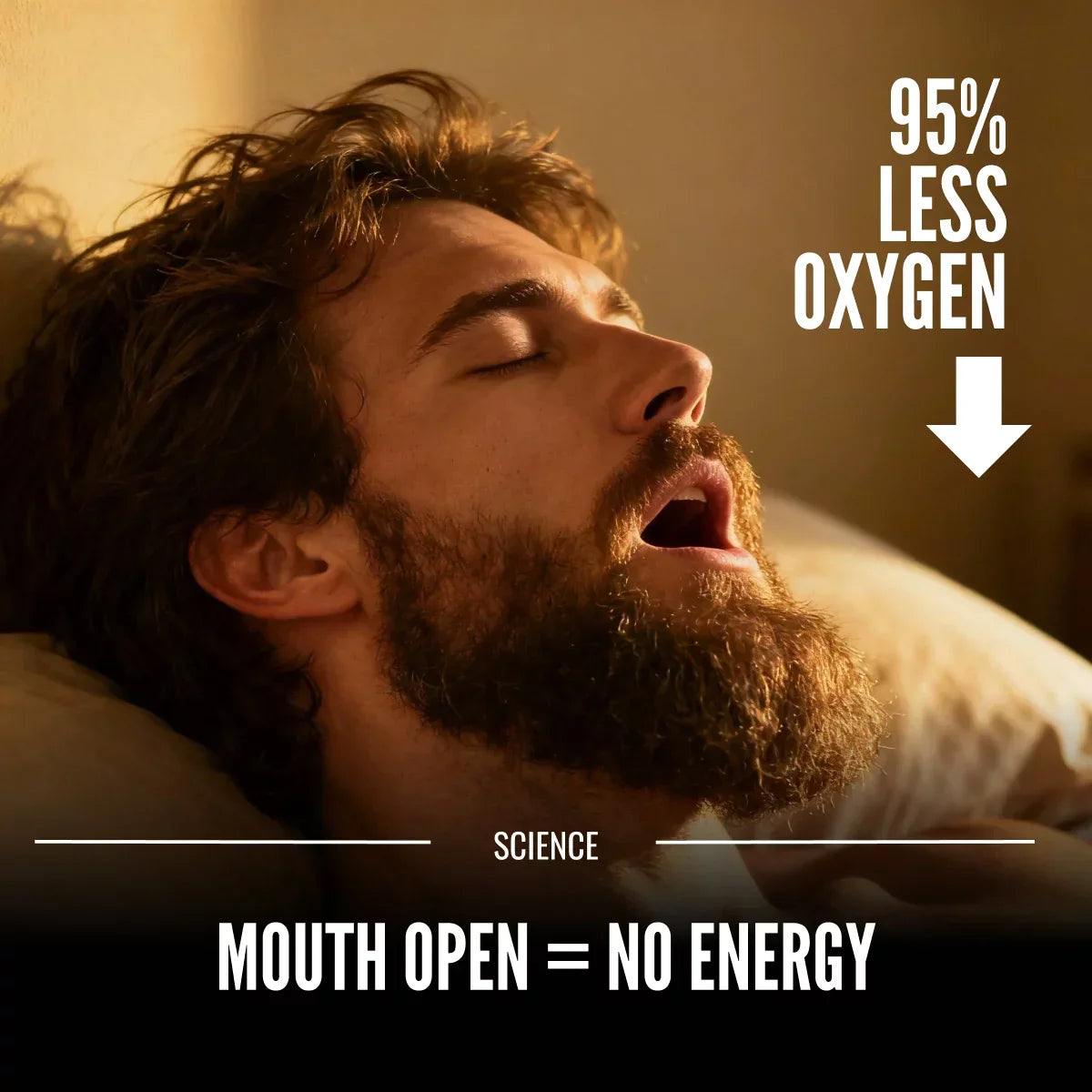
Mouth tape gently keeps the lips closed so the body defaults to nasal breathing overnight. The nose filters, warms, and humidifies air and contributes nitric oxide (NO), which helps regulate vascular tone and oxygen utilization [1].
How can nasal breathing improve sleep quality?
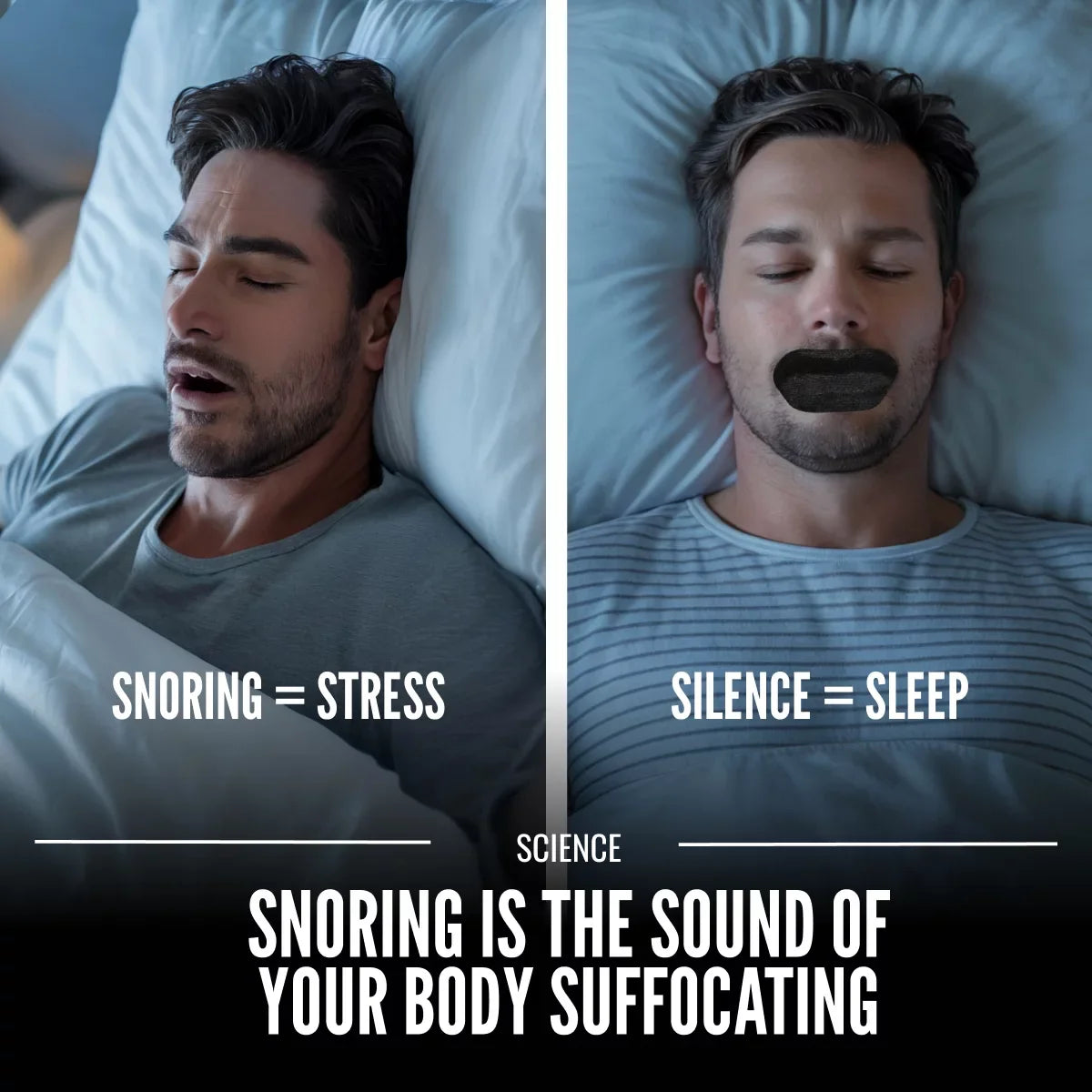
Nasal breathing is linked to a calmer autonomic state (parasympathetic activation) and steadier respiration, which may support deeper, more restorative sleep [2]. In contrast, habitual mouth breathing is associated with increased airway dryness, vibration, and snoring risk during sleep [3].
| Breathing Type | Oxygen/NO Balance | Airway Moisture | Snoring Tendency |
|---|---|---|---|
| Nasal (with mouth tape) | Typically higher NO; more efficient uptake [1] | Better humidification | Lower (typical) [3] |
| Mouth | Reduced efficiency (relative) | Drier airway | Higher |
What benefits do people commonly report?
Users who adopt nasal breathing with the help of mouth tape often report less morning dryness, lighter snoring, and better next-day alertness. These are observational reports and can vary by individual. Mouth taping is a behavioral support—not a medical treatment.
Who should avoid trying mouth tape first?
Avoid mouth tape if you have suspected or untreated obstructive sleep apnea, chronic nasal obstruction, active sinus infection, or anxiety with oral coverings. Seek evaluation from a qualified clinician before use.
Is Hostage Tape comfortable and skin-friendly?
Hostage Tape is designed for comfort and gentle adhesion and is beard-friendly to support consistent use. Safety and comfort depend on individual anatomy and skin tolerance—start gradually and discontinue if irritation occurs.
Can CPAP users use mouth tape?
Some CPAP users report fewer mouth leaks when using mouth tape alongside therapy. If you use CPAP, consult your sleep physician before adding tape to your regimen.
Comfortable, beard-friendly, and designed to support nasal breathing habits.
Related Links
References
- Lundberg JO, Weitzberg E, et al. Nitric oxide in exhaled air: sources and pharmacologic modulation. Eur Respir J. 1996;9(12):2671-2675. PubMed 8726939
- Jerath R, Edry JW, et al. Physiology of long pranayamic breathing: neural respiratory elements. Med Hypotheses. 2006;67(3):566-571. PubMed 16460892
- Sakakibara H, et al. Influence of mouth breathing on snoring and sleep-disordered breathing. Chest. 2003;123(2):452-458. PubMed 12576379
Disclosure
Dr. Alfi serves as a clinical advisor to Hostage Tape and provides guidance on airway and sleep-related health education. He does not receive commissions for product sales; his involvement focuses on promoting safe, evidence-based use.
Medical Disclaimer
The information in this article is for educational purposes only and does not constitute medical or dental advice. It should not be used as a substitute for individualized evaluation or treatment by a qualified healthcare provider. Mouth taping is not appropriate for everyone; individuals with respiratory, nasal, or sleep-related conditions should consult their physician or dentist before use.
Dr. David Alfi is licensed in Texas as a dentist and physician (DDS, MD). Any statements reflect his professional opinion and clinical experience and are not specific treatment recommendations.
Source Transparency
Physiologic points are based on peer-reviewed literature (above) and aggregated clinical observations, not controlled clinical trials of Hostage Tape.

Share:
Can I Use Mouth Tape with a CPAP Machine?
Are Mouth Tapes Worth It?